 01
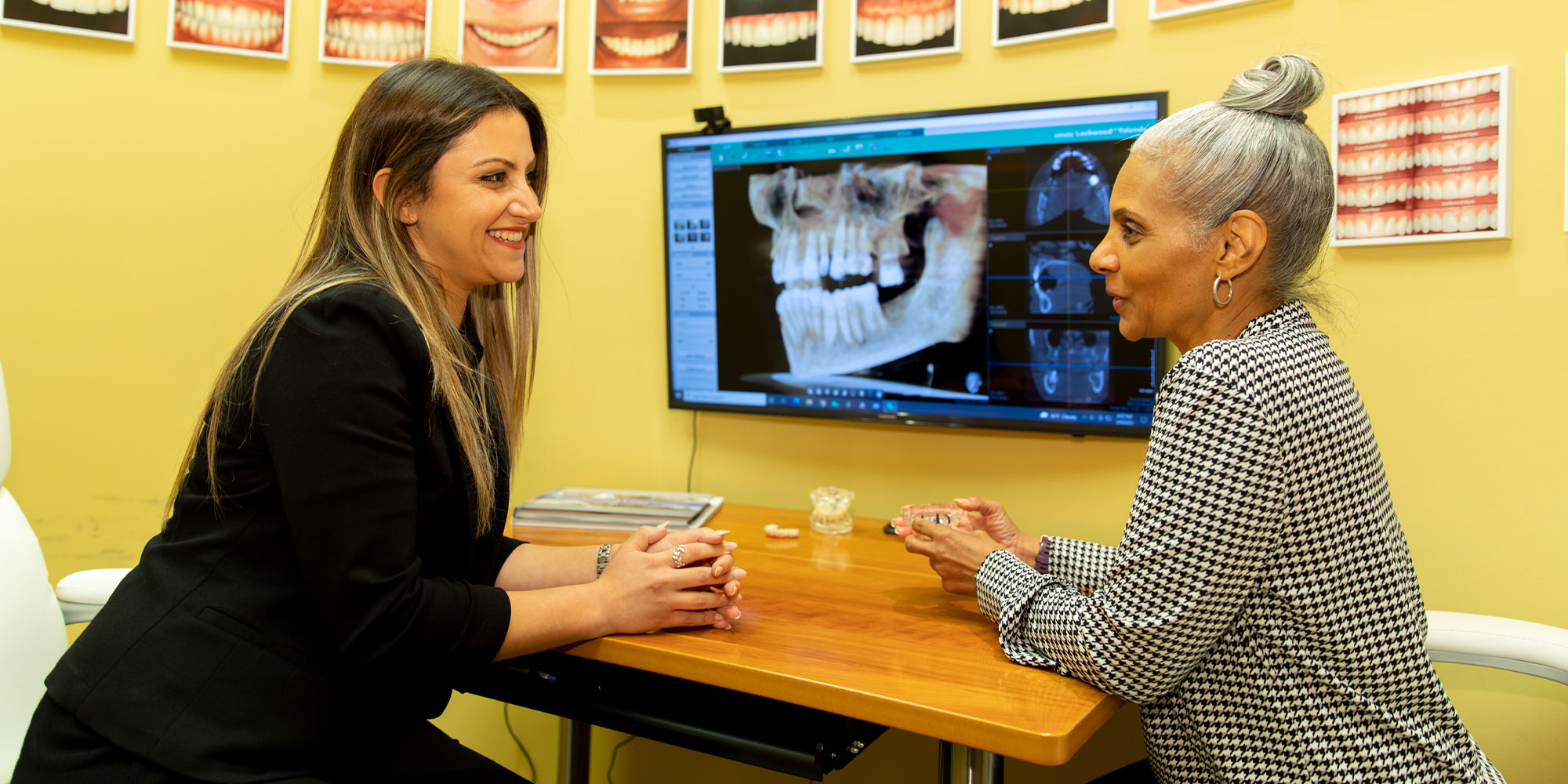
A 3D Scan First
The scan measures your bone in three dimensions, so the type of arch is decided from your own jaw rather than assumed. It is also where you learn whether FP1 is possible.
Full-Arch Teeth Without the Pink Acrylic.
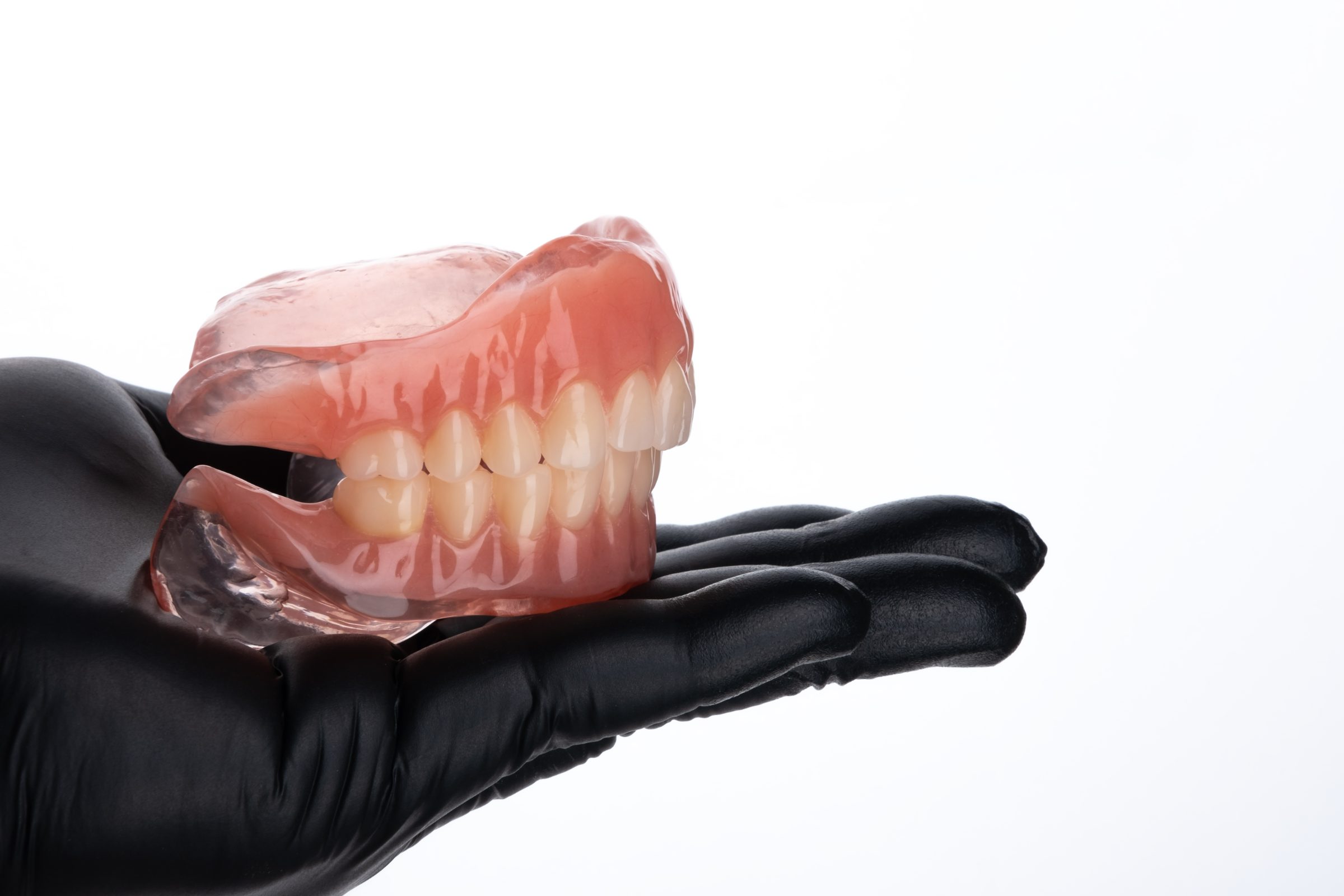
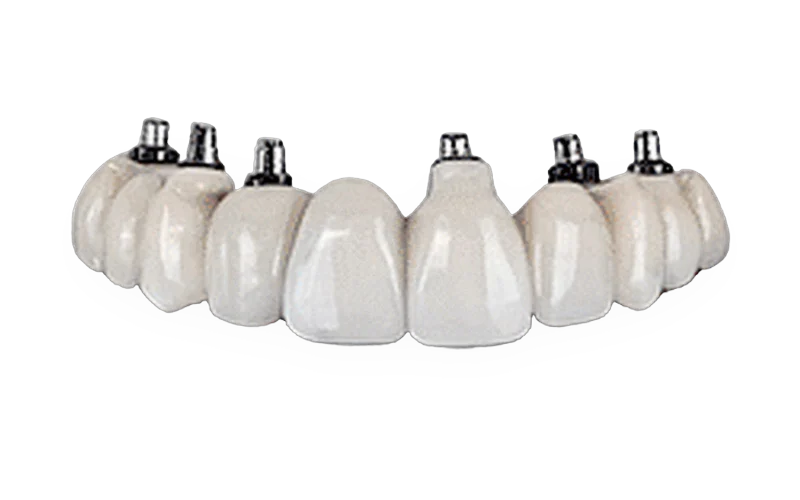
FP1 is the most natural way to make a fixed full arch: it replaces the teeth only, with the natural look of crown and bridge and no thick pink base. Dr. Nahlah plans it first wherever your bone allows, and your 3D scan shows whether it does.
A fixed full arch comes in three types, sorted by how much of it is teeth and how much is pink acrylic standing in for gum and bone. Two practices can both quote you “All-on-4” and hand back very different teeth. Some make every arch as FP3, on a thick pink base; Dr. Nahlah plans the arch as thin as the case will carry, FP1 first.

Natural crown-and-bridge look
No added pink, no extra bulk
Planned first wherever the bone allows
A little pink acrylic, following the gum contour
Rarely indicated, and often not ideal
Thick pink acrylic stands in for gum and bone
The stronger option where bone loss is advanced
A thin arch is not always possible, and where bone loss is advanced FP3 is the stronger choice and easier to keep clean. Your 3D scan shows which one your bone can carry.
Who Can Have FP1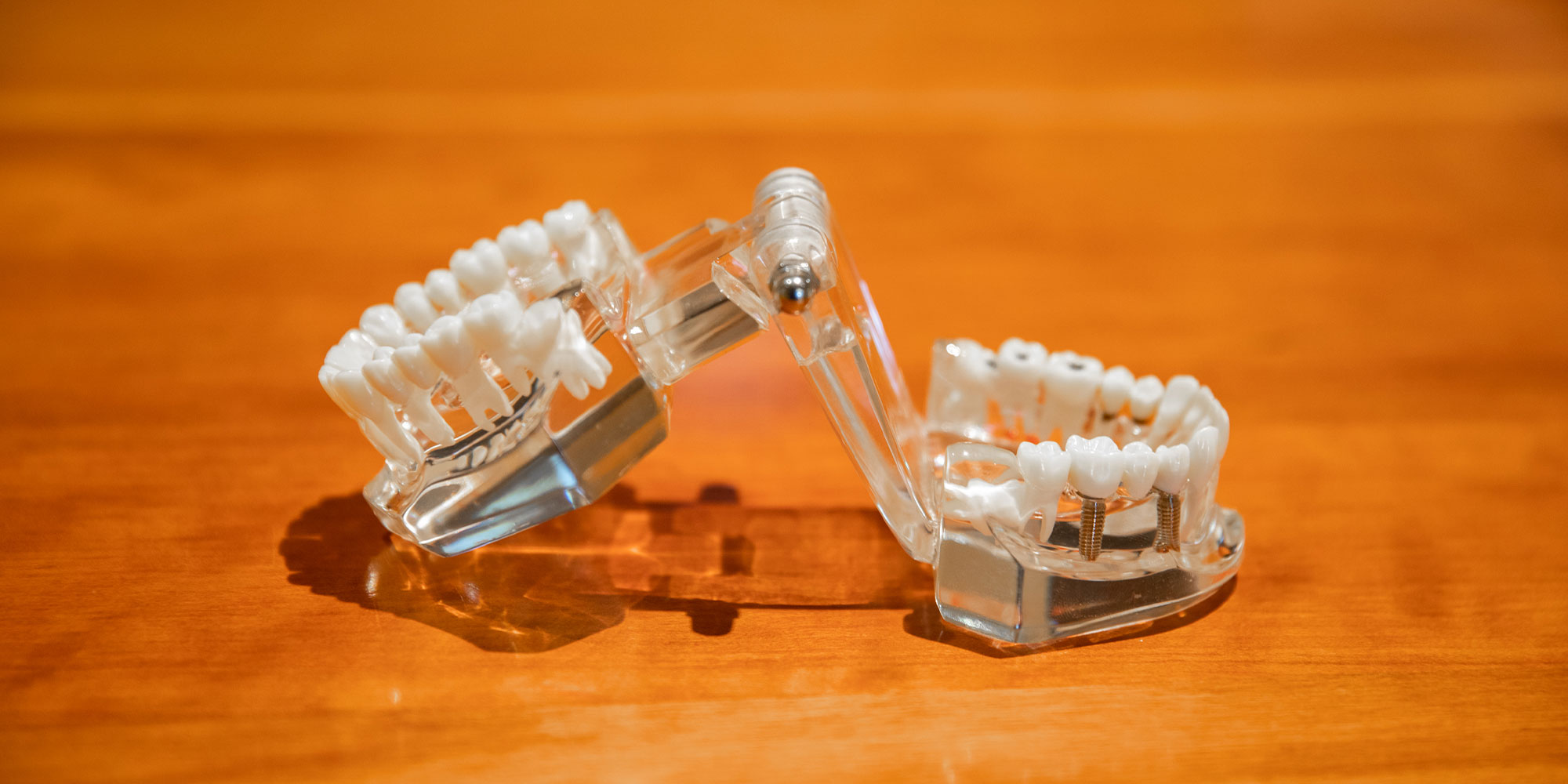
Whether FP1 is possible depends on the bone and gum you still have, not on preference. The 3D scan measures them before anything is promised, and Dr. Nahlah tells you which of the three types your jaw can carry.
01The scan measures your bone in three dimensions, so the type of arch is decided from your own jaw rather than assumed. It is also where you learn whether FP1 is possible.
 02
The final teeth are designed before a single implant is placed. You see and approve the result in advance, and the implants are then planned to fit those teeth.
 03
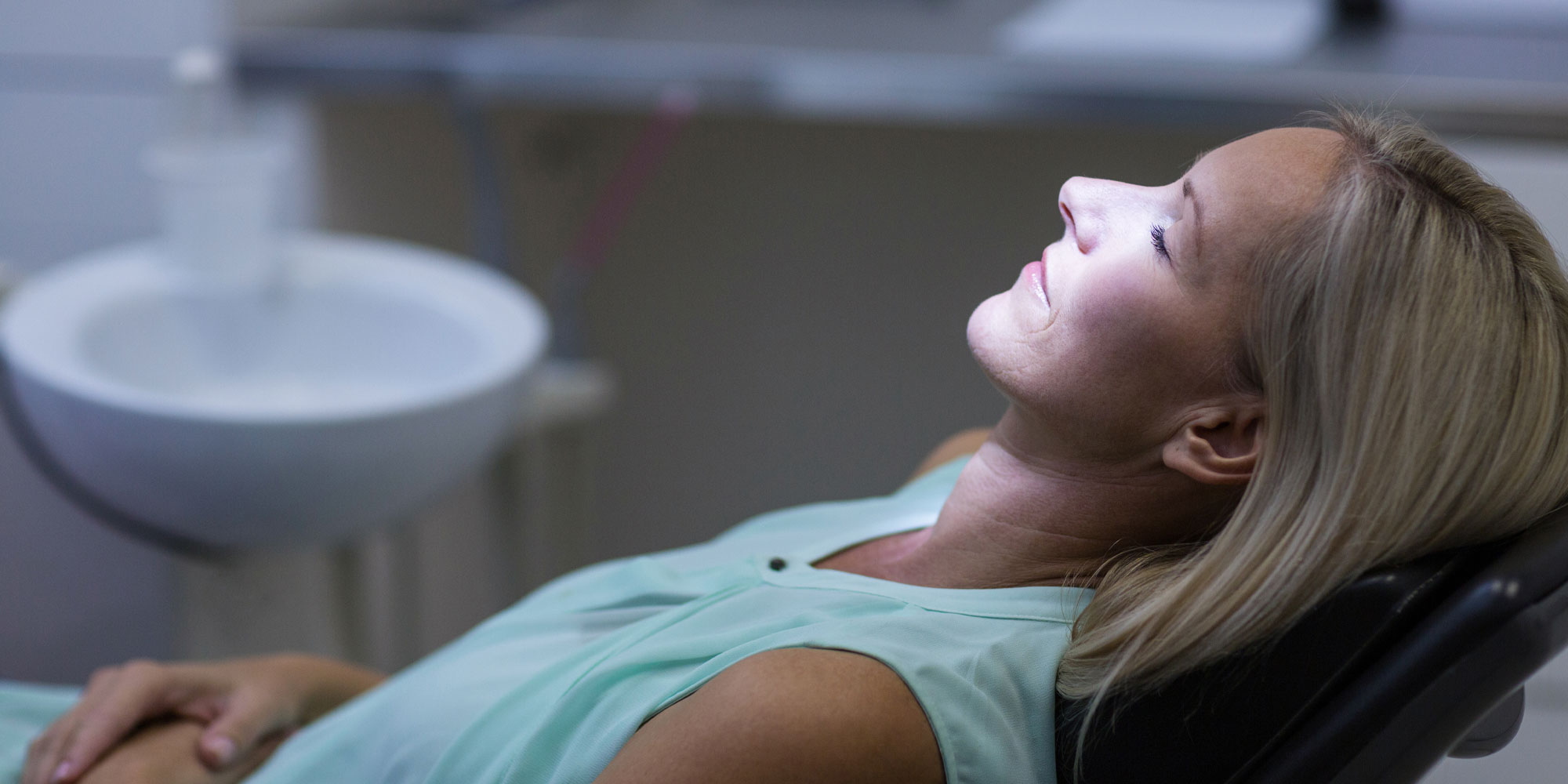
The implants go in where the plan put them, guided by the scan. In most cases you leave the same visit wearing a fixed provisional arch.
 04
Three to four months later, once the implants have integrated, the final zirconia arch replaces the provisional. A thick acrylic base is used only where the bone calls for one.
An FP1 arch is fixed: it stays in, and you look after it in place. It carries teeth only, so there is no thick pink base.
Because more of the gum line is yours, FP1 asks a little more of your daily cleaning than FP3, which is easier to keep clean. Ask at your consultation how the arch you are offered is cleaned.
Two offices can both quote All-on-4 and deliver very different arches. These are the questions worth asking, and how our practice answers them.
As an award-winning board-certified specialist in prosthodontic dentistry, Dr. Nahlah provides patients with a premier level of dental care using the industry’s most advanced technology. He has been practicing since 2003, in Northern Virginia since 2013, entirely on prosthodontics. Diplomate of the American Board of Prosthodontics and Fellow of the American College of Prosthodontists. In 2013, the American Board of Prosthodontics awarded Dr. Nahlah the most prestigious award in prosthodontics: “Diplomate of American Board of Prosthodontics.”
Adjunct faculty at Virginia Commonwealth University, teaching the residents in its Prosthodontics Postgraduate Program, and lecturing on smile design and implants.
Across that career, over 18,000 implants placed and over 15,000 arches restored.
Your price depends on whether one or both arches are restored, whether grafting is needed and the material of the final arch, so you get it in writing after the scan.
Both arches rebuilt together, on four to eight implants per arch.
Explore02A removable denture that clips onto implants, at a moderate cost.
Explore03One implant for one missing tooth, or a bridge for several.
Explore04An arch from another office giving way? The second opinion is free.
ExploreA consultation includes the 3D scan and a straight answer about what your case needs, before you commit to anything.