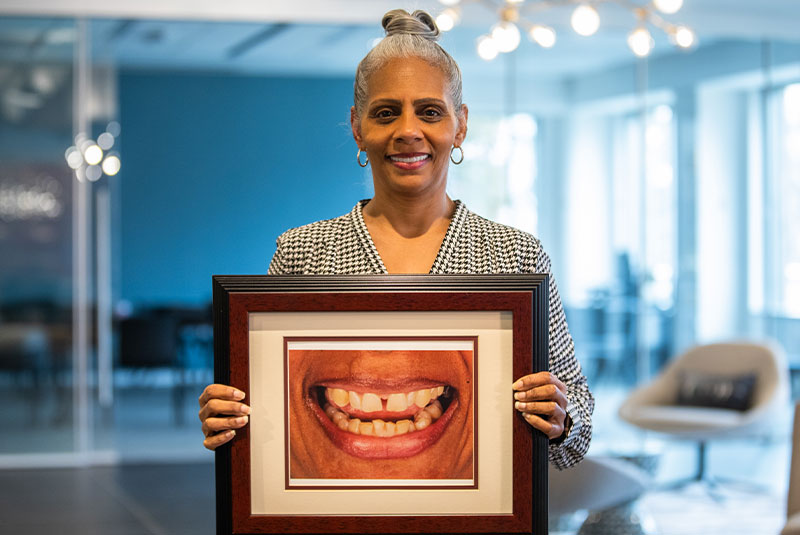
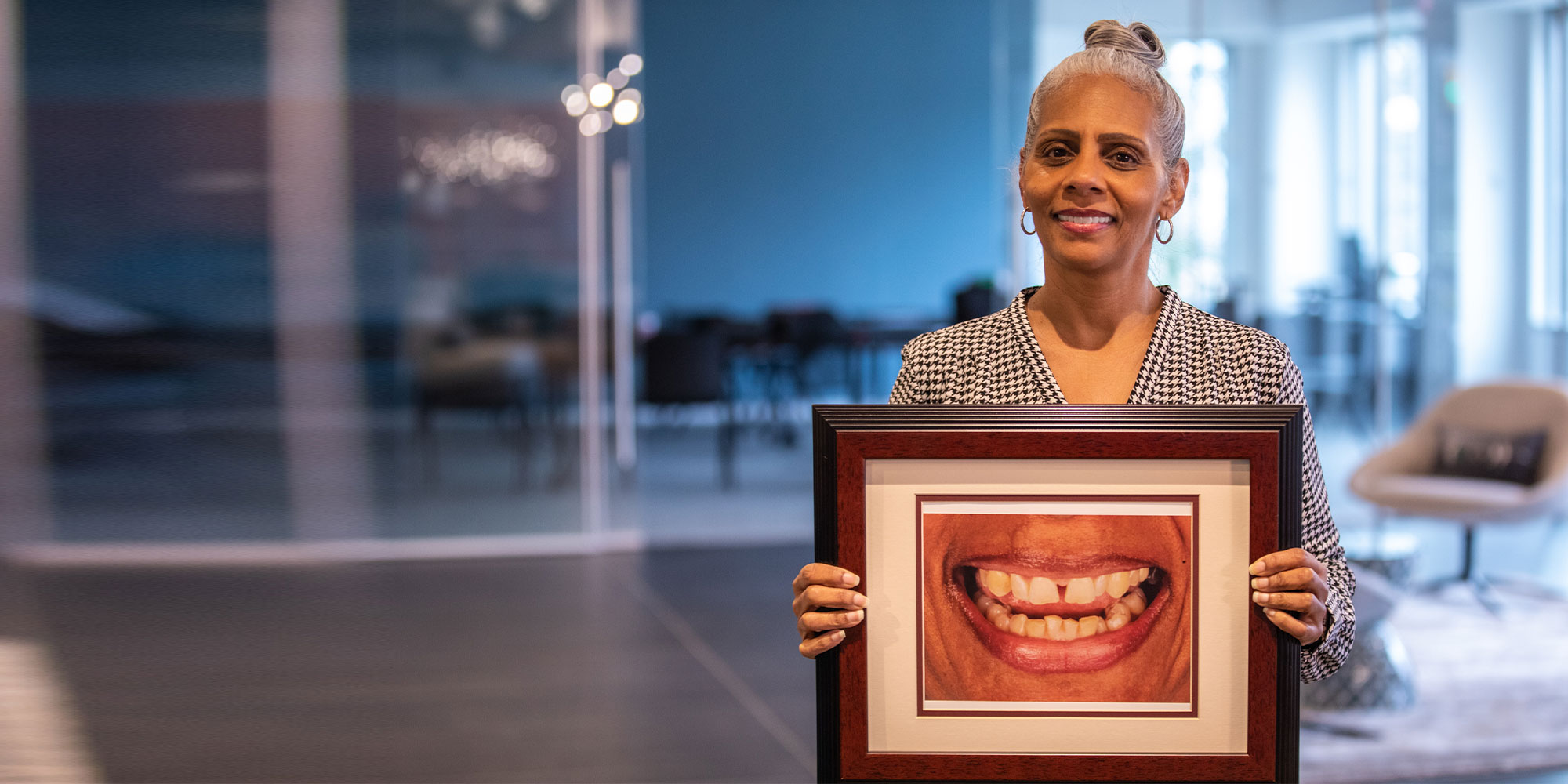
Yolanda holding a framed photograph of her smile before treatment

Full-Mouth Dental Implants in McLean & Alexandria, VA

Every tooth, upper and lower, on implants.

When most or all of your teeth are failing or gone, both arches can be rebuilt on implants: a fixed zirconia bridge on four to eight posts per arch, or a denture that clips onto them. Planned and placed by one board-certified prosthodontist, Dr. Esam Abou Nahlah.

Are Full-Mouth Implants Right for Me?

Takes under a minute. Your answers stay in this browser.

Why Full-Mouth Implants

What Full-Mouth Implants Give You

When most of your teeth are failing or gone, rebuilding both arches on implants changes how you eat, speak and smile. These are the advantages, planned by one specialist.

4–8 postsPer fixed arch
Same dayProvisional teeth, in most cases
3–4 moFrom surgery to the final zirconia
5 yearsWarranty, kept with six-monthly cleanings
“
My smile held me back. That’s behind me now.
Melanie · Full-Arch Implant Patient

One Plan, Both Jaws

The upper and lower teeth are designed together from one cone-beam scan, so the bite balances rather than being pieced together tooth by tooth.
Teeth That Stay In

A fixed arch is screwed down and stays in at night, unlike a denture that has to come out.

Teeth From Implant Day

With All-on-4, most patients leave surgery wearing fixed provisional teeth, which stay in place while the implants fuse.

Bone Loss Often No Barrier

Many patients have enough bone already, and many others qualify after grafting. Tilted rear implants reach the stronger bone near the front of the jaw.

Keeps the Jawbone Loaded

Implants put a load on the jawbone, something a denture resting on the gums cannot do.

Strong Zirconia Arches

The final arches are zirconia, resistant to decay and to fractures and chips, and they are brushed and flossed like natural teeth.
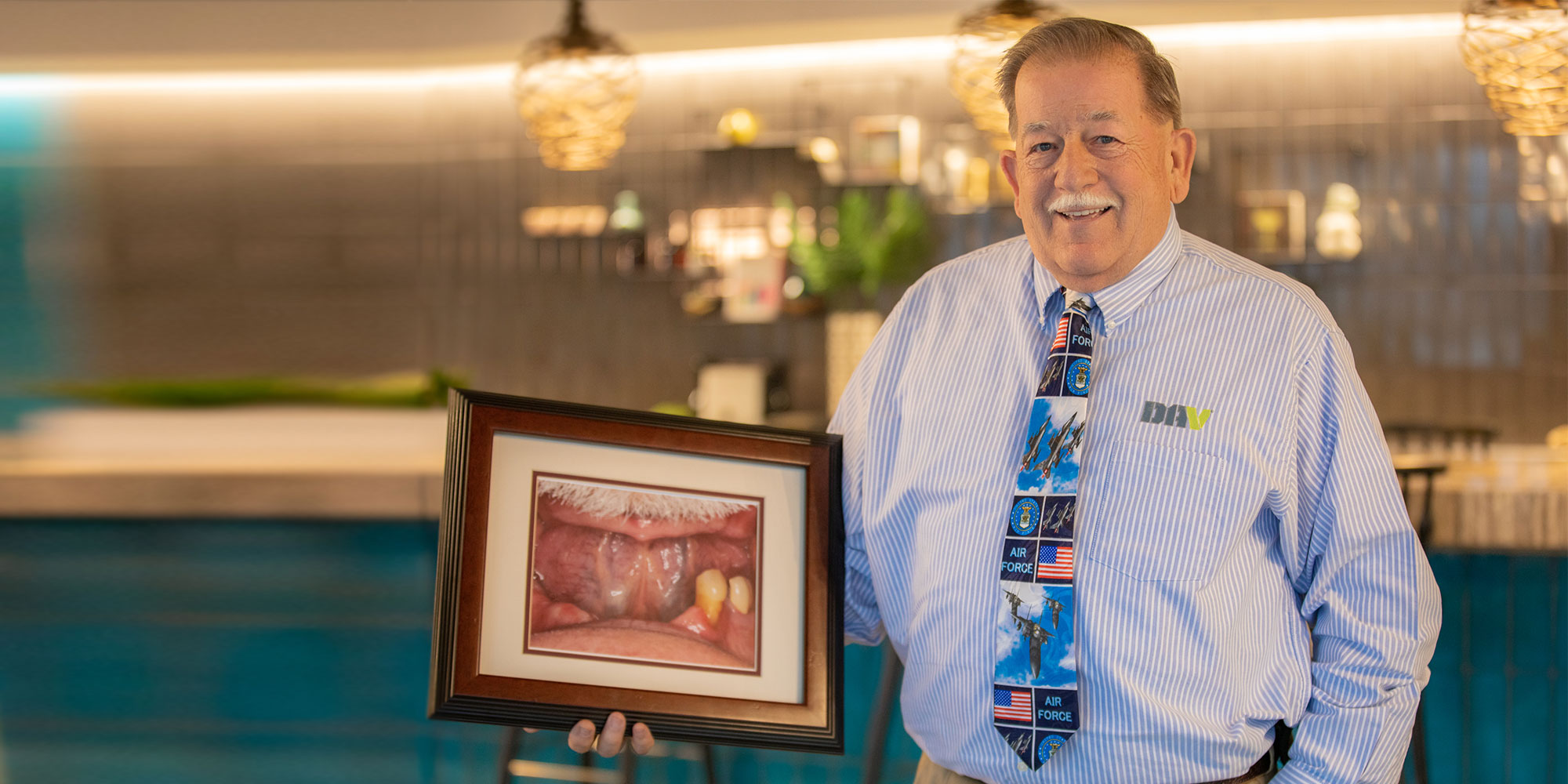
A patient holding a framed photograph of his mouth before implant treatment
Full Mouth

What Are Full-Mouth Dental Implants?

A full-mouth case is planned as one job rather than tooth by tooth. The cone-beam scan maps the bone in both jaws, and the upper and lower teeth are designed together so the bite balances. On this site these cases are called double arch.

  • Fixed teeth that stay in: screwed down, not taken out at night
  • Cared for like natural teeth, with six-monthly cleanings
  • Implants load the jawbone, which a denture resting on the gums cannot do
  • Zirconia, resistant to decay and to fractures and chips
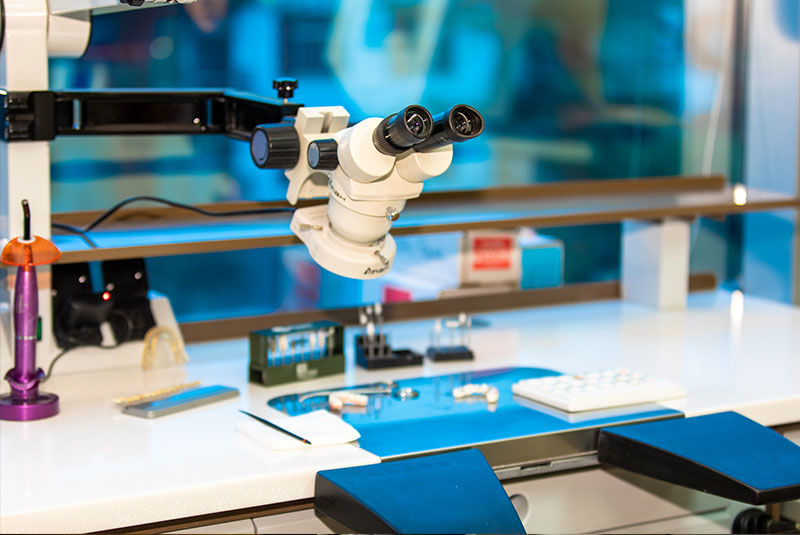
  • Designed and milled in the practice's own laboratory
Your Options

Three ways to replace every tooth.

Your scan, your bone and what you want from the result decide between them.
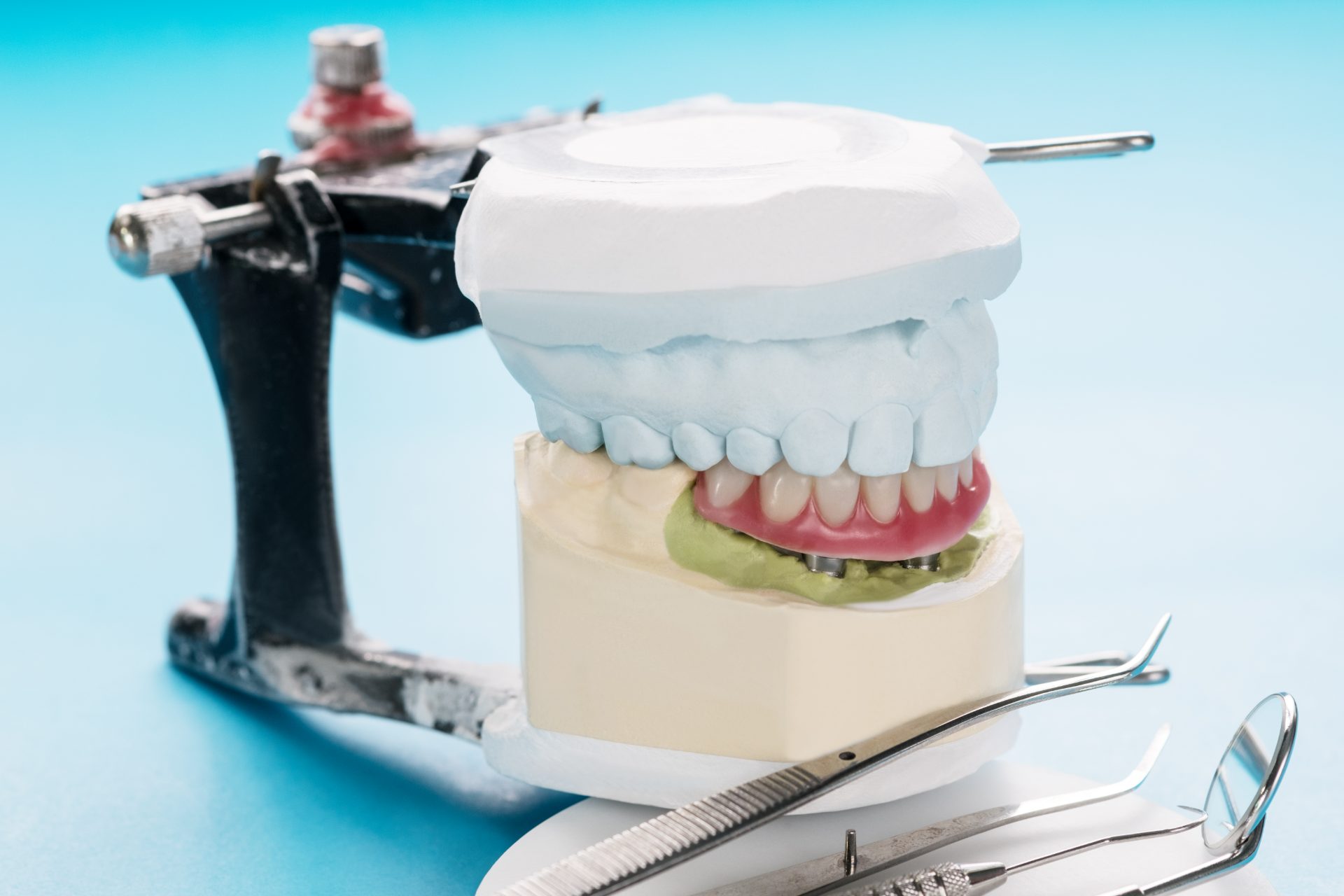
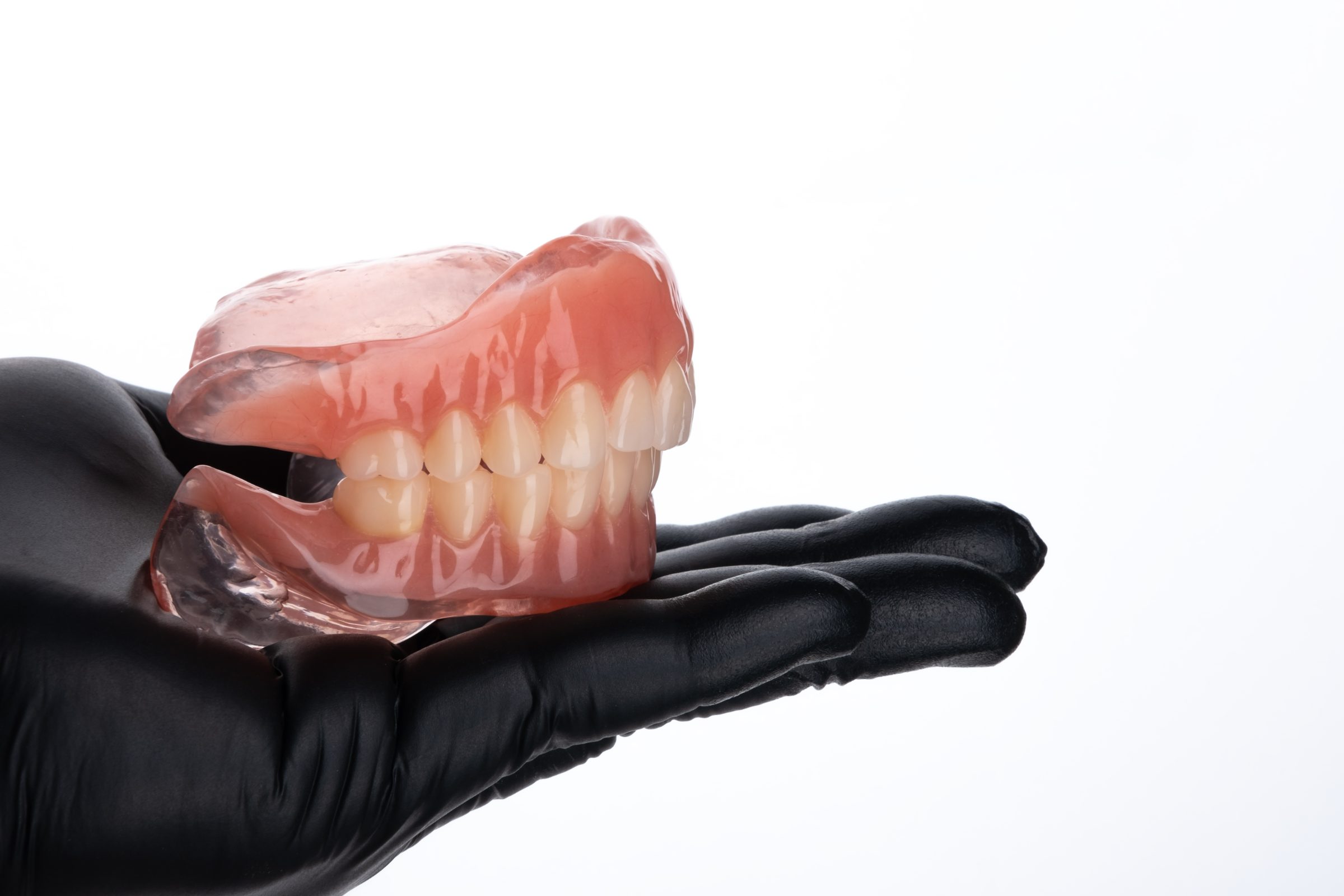
Lab model of an implant-supported denture clipped onto implant posts, mounted on an articulator01

Implant-Supported Dentures

A removable denture on each arch, clipped onto two or more implants. Around 60% of natural function at a moderate cost, and it comes out for cleaning.
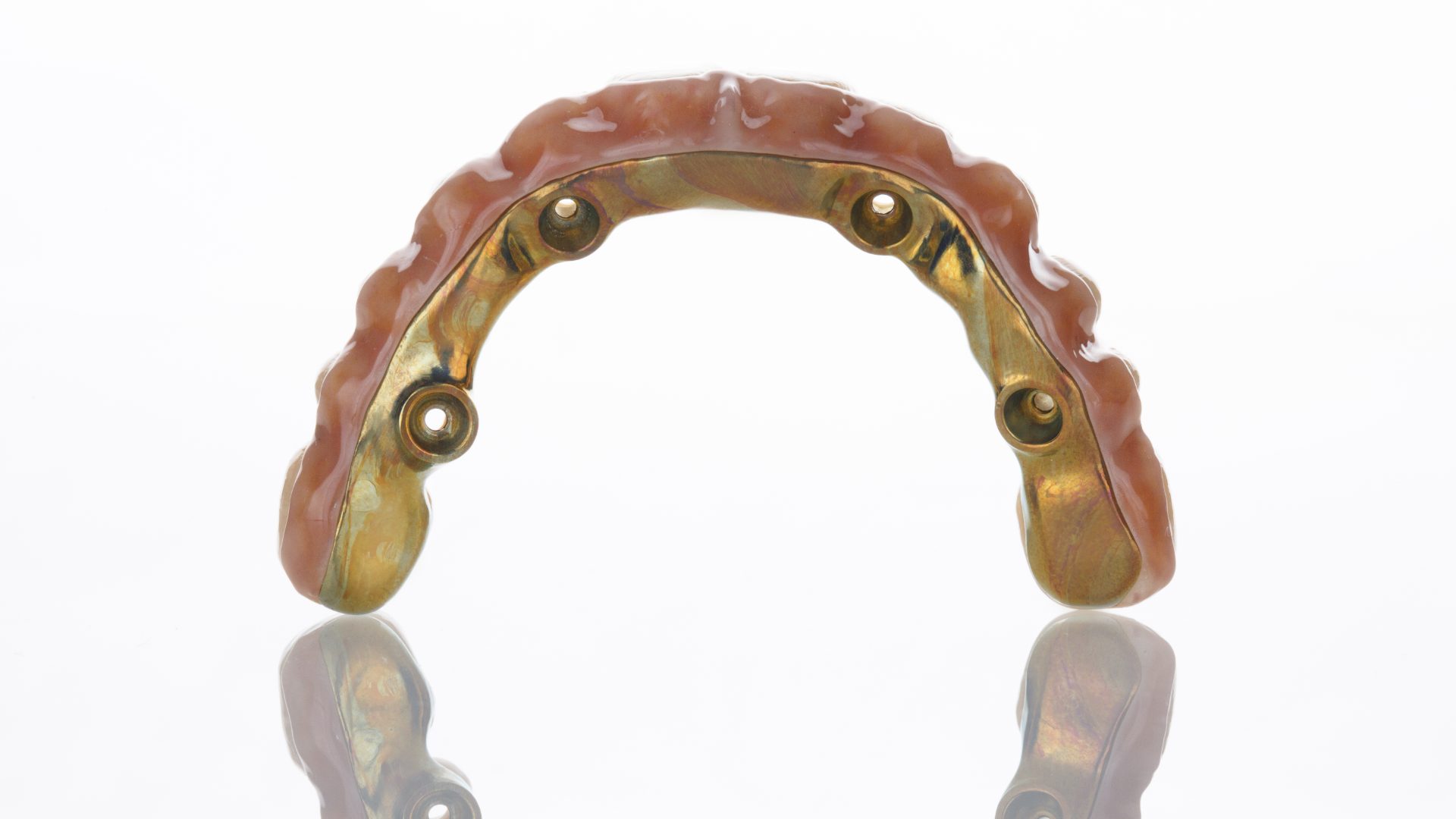
Underside of a full-arch implant bridge, showing its metal framework and four screw-access channels02

All-on-4 Full Arches

A fixed zirconia bridge on four implants per arch, the rear two tilted toward stronger bone. In most cases you leave surgery with fixed provisional teeth.
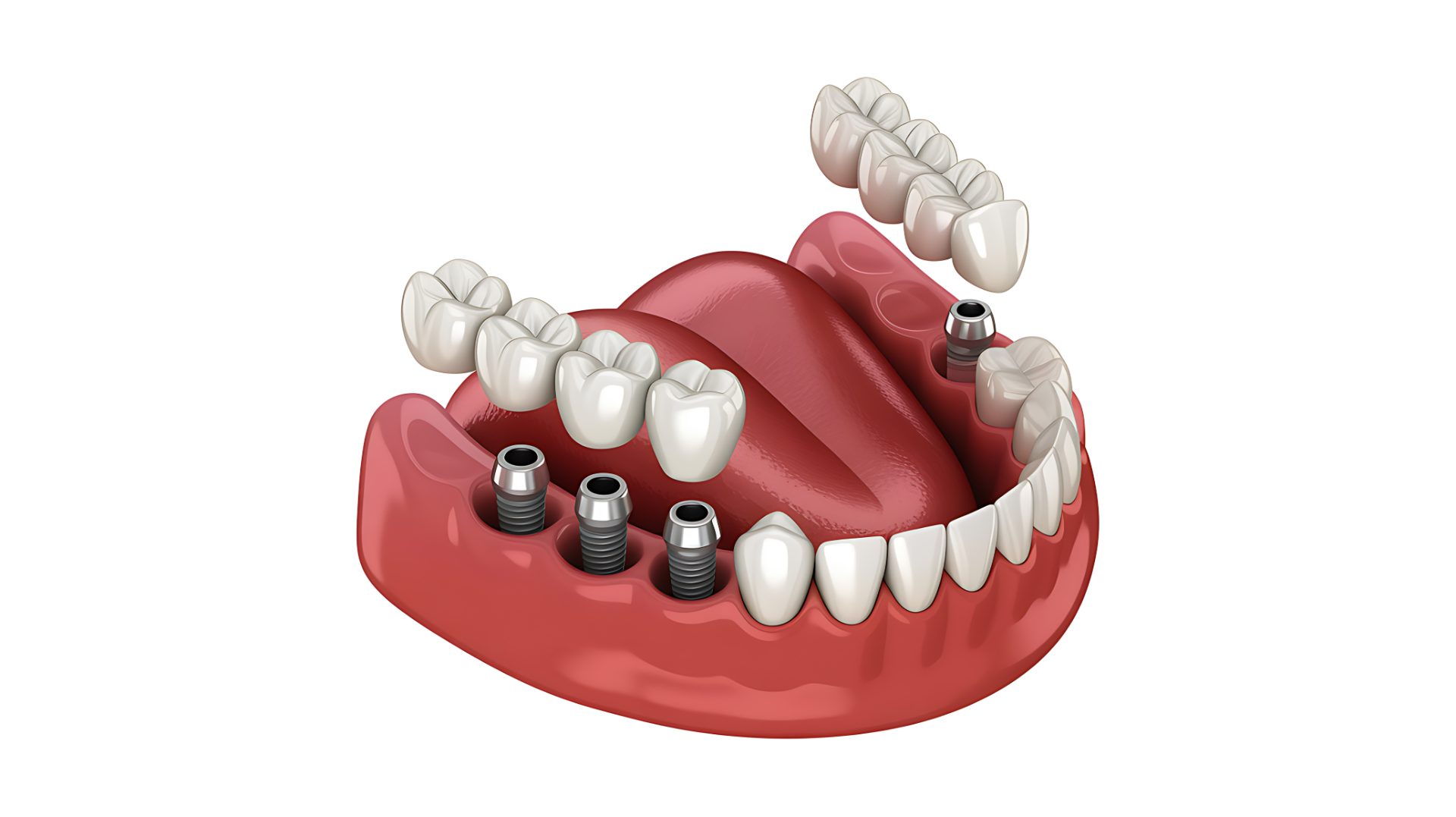
Illustration of implant-supported bridges lowered onto implant posts in a lower jaw model03

Fixed Bridges on More Implants

Where the bone and the bite call for it, each fixed arch is carried on up to eight implants. Over 98% of natural function, and the highest cost of the three.

All three compared
Bone

What if I Have Bone Loss?

Years of missing teeth or loose dentures let the jawbone recede. Many patients still have enough bone for implants, and many of the rest qualify after bone grafting or extractions. With All-on-4, the back two implants tilt toward the stronger bone near the front of the jaw, so bone loss often does not rule you out.
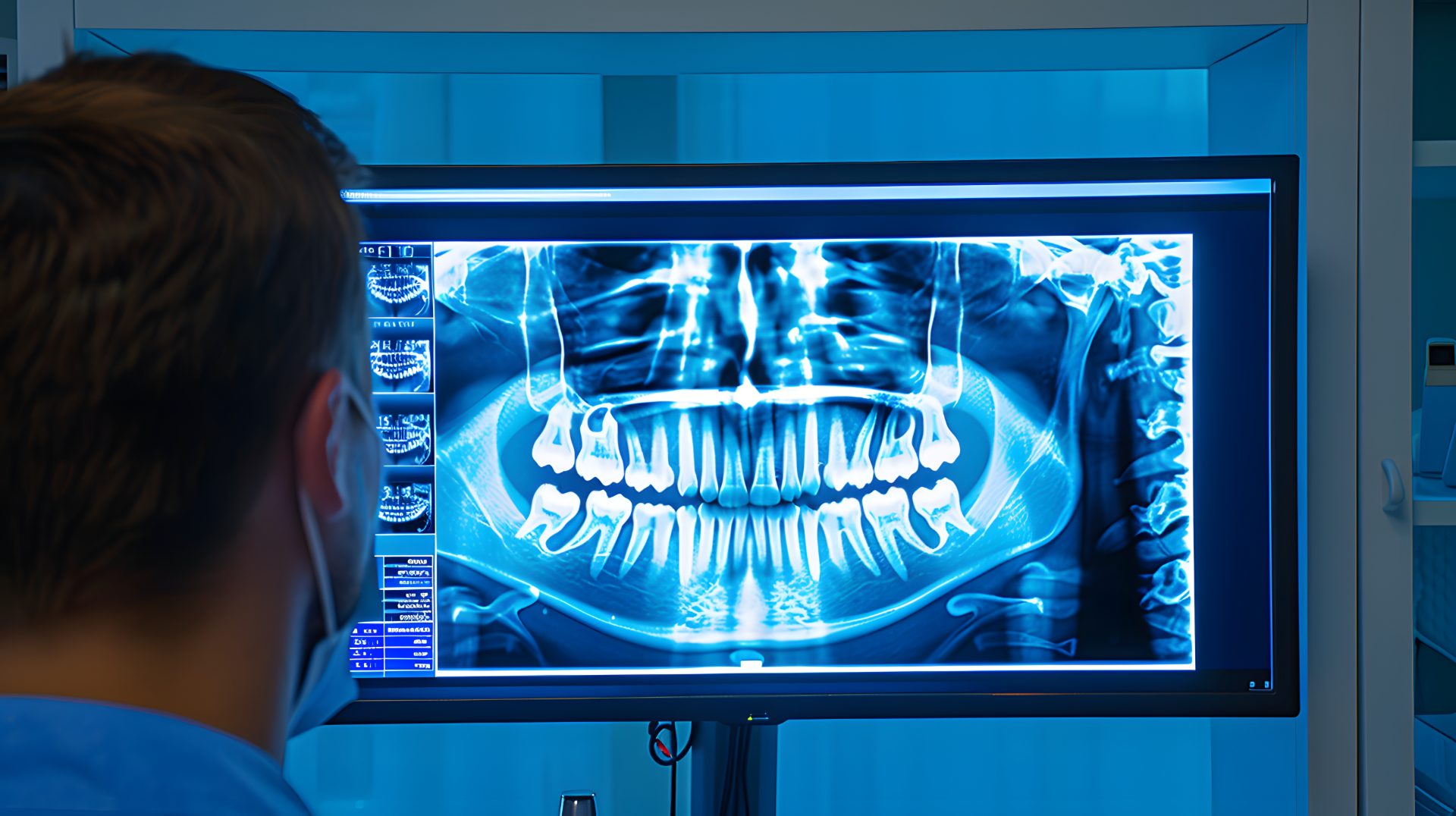
Clinician in a mask reviewing a panoramic dental X-ray of the full jaw on a monitor
3DCone-beam scan of both jaws
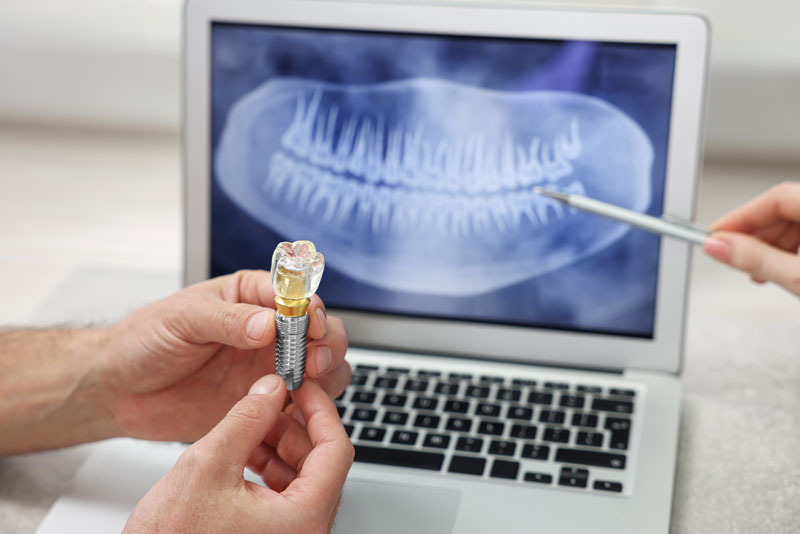
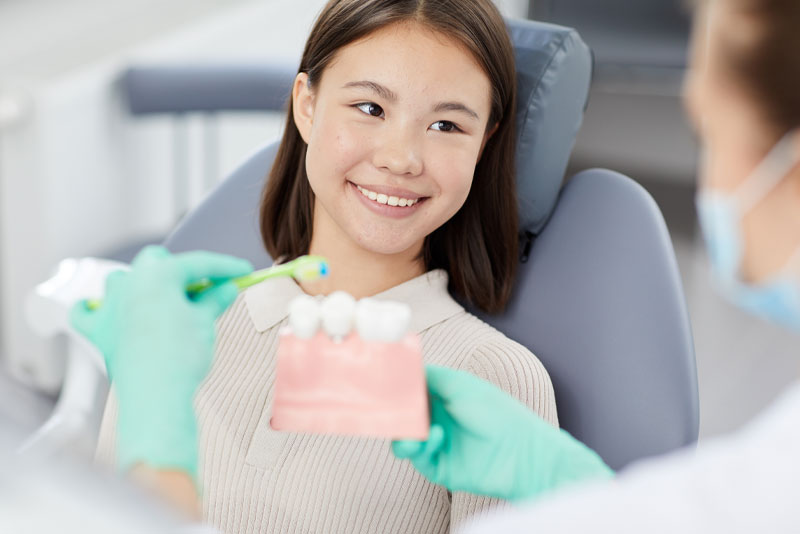
A clinician showing a patient their X-ray beside an implant model
GuidedPlaced through a printed guide
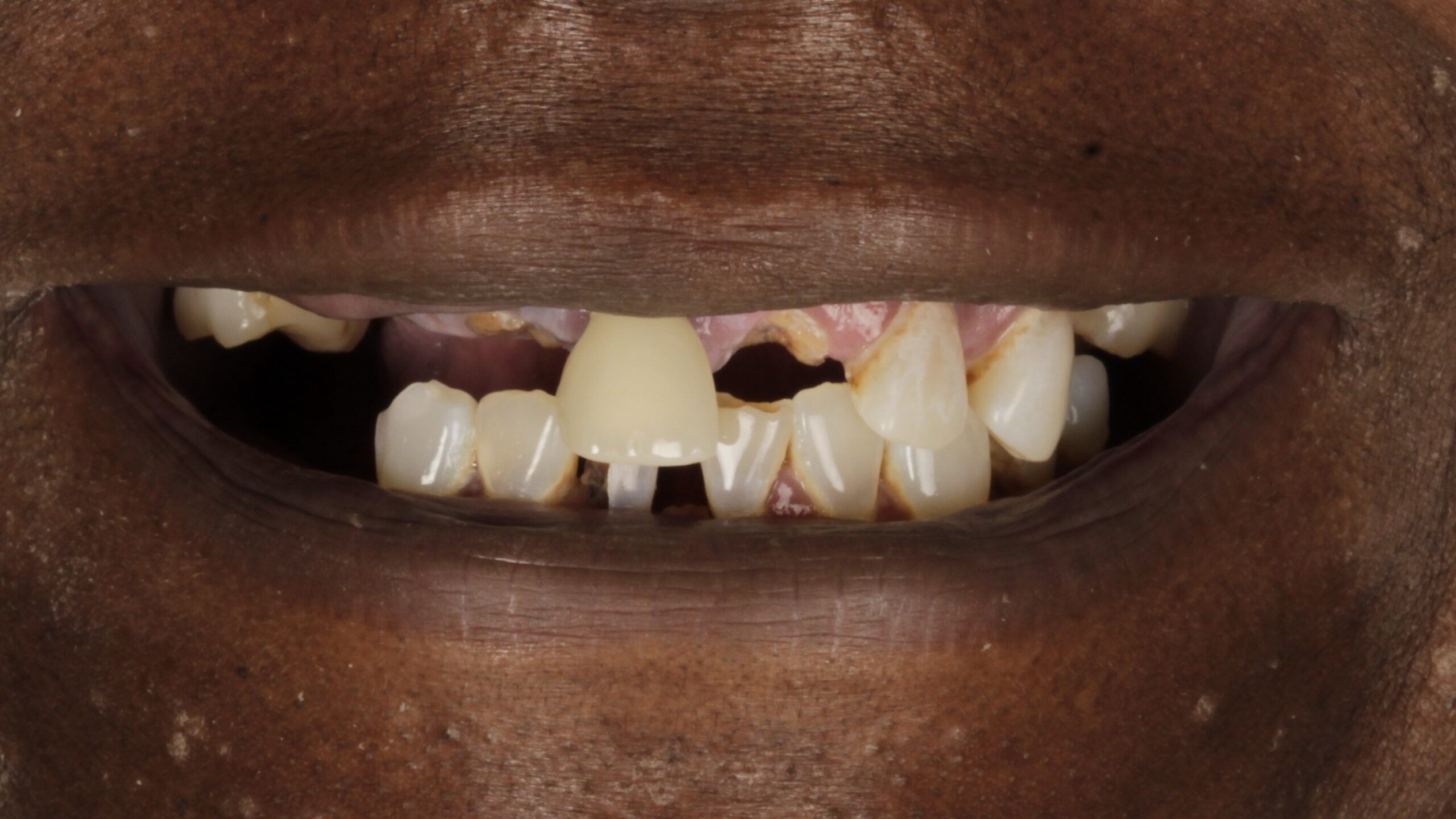
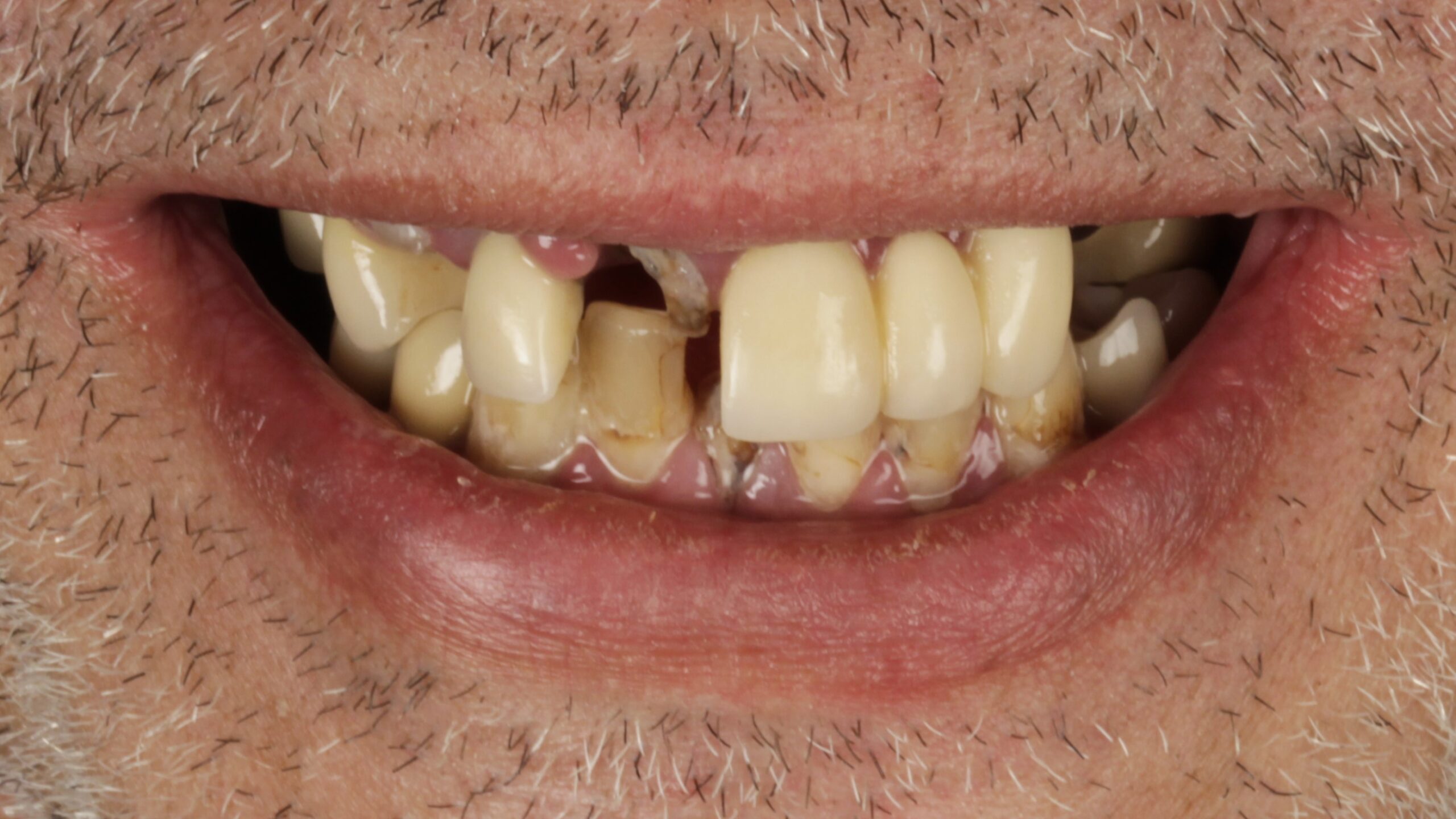
Smile before All-on-4 treatment, with missing, broken and stained upper and lower teeth
Before
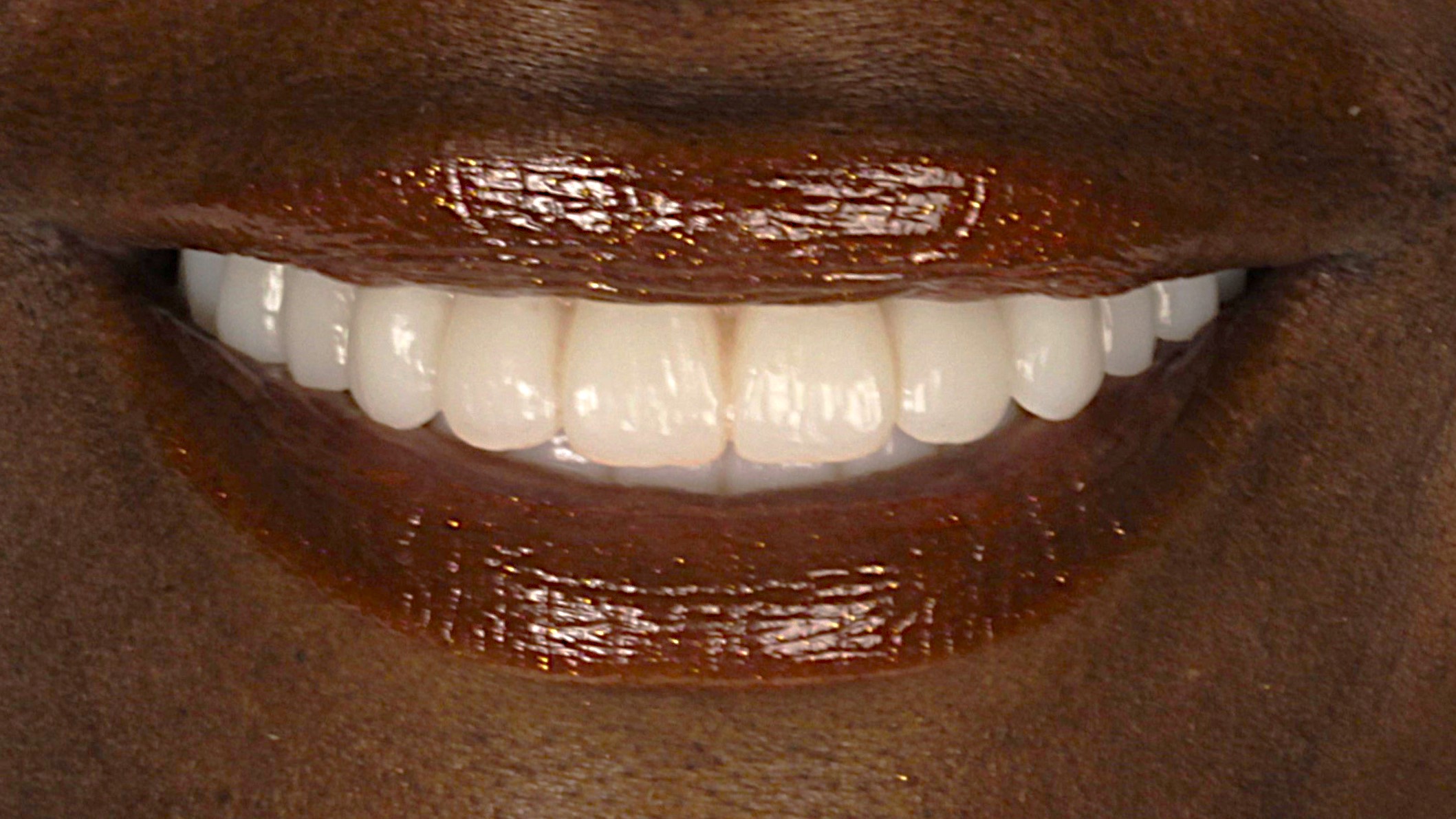
The same smile after All-on-4 treatment, with full upper and lower arches of even, natural-looking teeth
After: a double arch

Every implant is planned on the scan and placed through a printed guide, at the planned angle and depth, for smaller incisions and a shorter recovery. Where bone has to be rebuilt first, grafting is its own procedure with several months of healing, and it is written into the timeline at the first consultation. How dental implants work

Why Choose Us

Why Choose Dr. Nahlah for Full-Mouth Implants

A full mouth is the largest implant case there is, and the planning decides the result. These are the questions to ask any office, and how our practice answers.
What to askOur practiceOther offices
Who plans itOne board-certified prosthodontist plans and places every implant and designs both archesA surgeon, a dentist and an outside lab each handle a part
ExtractionsThe specialist who removes a tooth is the one who replaces itSome send the extraction to a surgeon and the replacement to someone else
Implants per archFour to eight, chosen from your cone-beam scan rather than a package nameSome offer one package for every mouth
SurgeryEvery implant goes through a computer-generated surgical guideSome place implants freehand and judge by eye
Arch typeWherever the bone allows, thin-arch (FP1) teeth with no thick pink acrylic baseSome use one thick FP3 prosthesis for every case
LabArches designed and milled in the practice's own lab, in both officesSome send the work out and wait weeks for it
Hard casesComplex and failed full-arch cases accepted, including work other practices declineSome accept straightforward cases only
WarrantyFive years: any part that fails is replaced free of charge, with six-monthly cleaningsAsk what yours covers, in writing
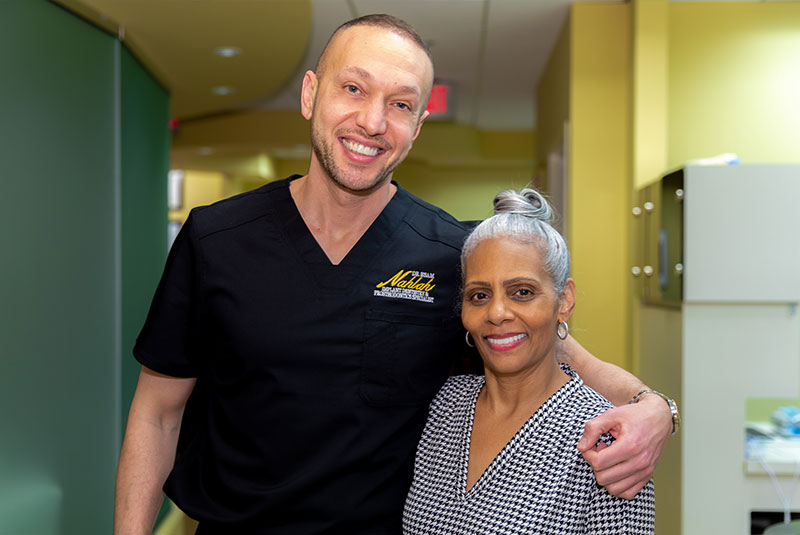
Dr. Esam Abou Nahlah in black scrubs with his arm around a smiling patient in the office hallway
Dr. Esam Abou NahlahD.D.S., M.S.
Meet the Doctor

Meet Dr. Esam Abou Nahlah

As an award-winning board-certified specialist in prosthodontic dentistry, Dr. Nahlah provides patients with a premier level of dental care using the industry’s most advanced technology. He has been practicing since 2003, in Northern Virginia since 2013, entirely on prosthodontics. Diplomate of the American Board of Prosthodontics and Fellow of the American College of Prosthodontists. In 2013, the American Board of Prosthodontics awarded Dr. Nahlah the most prestigious award in prosthodontics: “Diplomate of American Board of Prosthodontics.”

Adjunct faculty at Virginia Commonwealth University, teaching the residents in its Prosthodontics Postgraduate Program, and lecturing on smile design and implants.

Across that career, over 18,000 implants placed and over 15,000 arches restored.
Credentials & Certifications

  • Diplomate, American Board of Prosthodontics
  • Fellow, American College of Prosthodontists
  • Adjunct Faculty, VCU Prosthodontics Postgraduate Program
  • Certificate in Prosthodontics
  • M.S., Master of Science in Oral Biology
  • Fellow, International Congress of Oral Implantologists
  • Associate Fellow, American Academy of Implant Dentistry
Meet Dr. Nahlah
The Process

How Does Full-Mouth Treatment Work?

A clinician showing a patient a dental model during a consultation01

Scan and plan

An examination and a cone-beam scan of both jaws. Pricing, insurance and financing are discussed at this visit, before you commit to anything.

A clinician showing a patient their X-ray beside an implant model02

Extractions and grafting

Failing teeth come out and thin bone is built up where the plan needs it. The specialist who removes a tooth is the one who replaces it.

Oral surgery
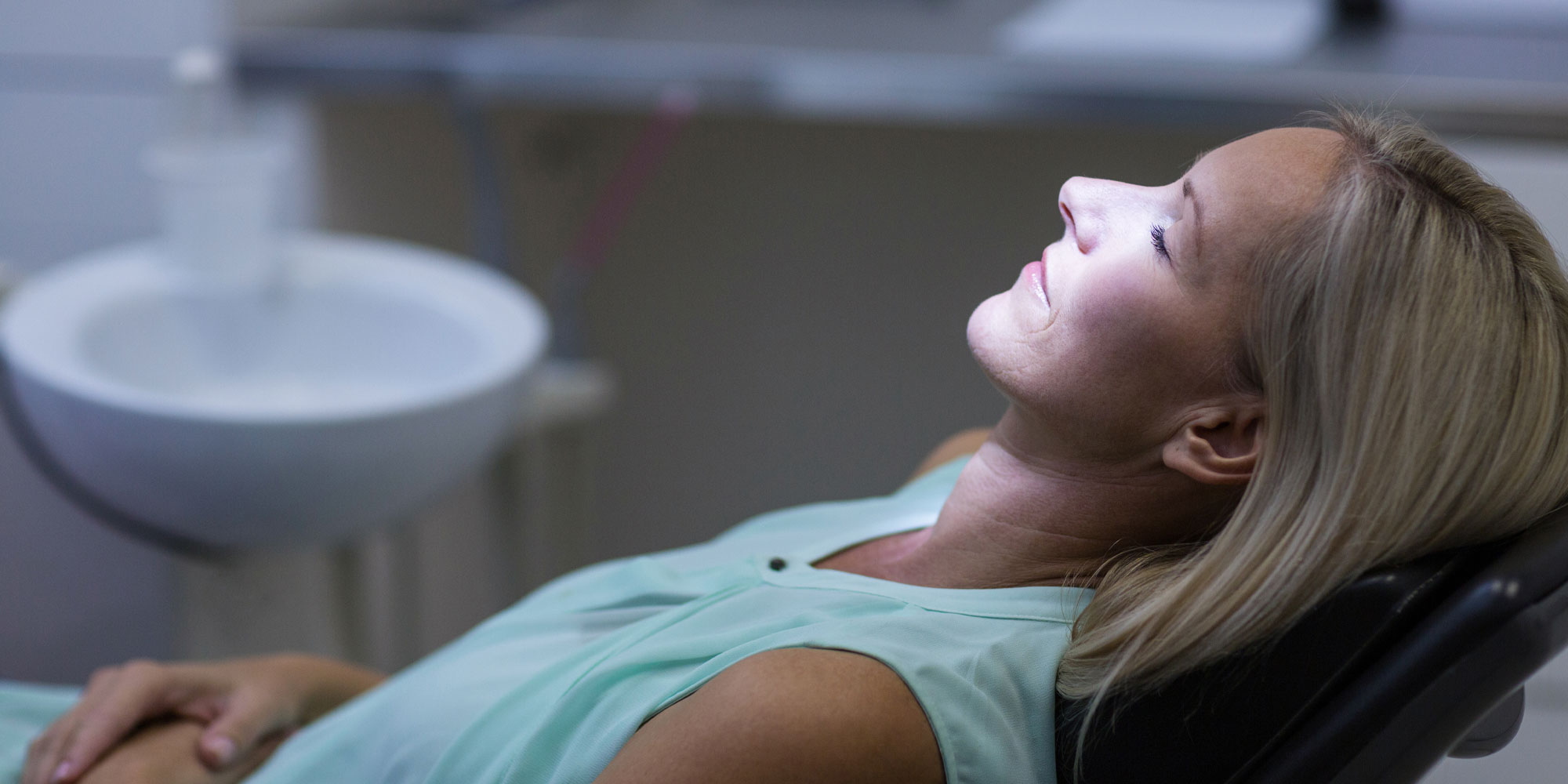
A patient resting with her eyes closed in the chair under sedation03

Implant day

The implants go in at the office under local anesthetic, with nitrous oxide or oral sedation, guided by the scan. With All-on-4, most patients leave wearing fixed provisional teeth.
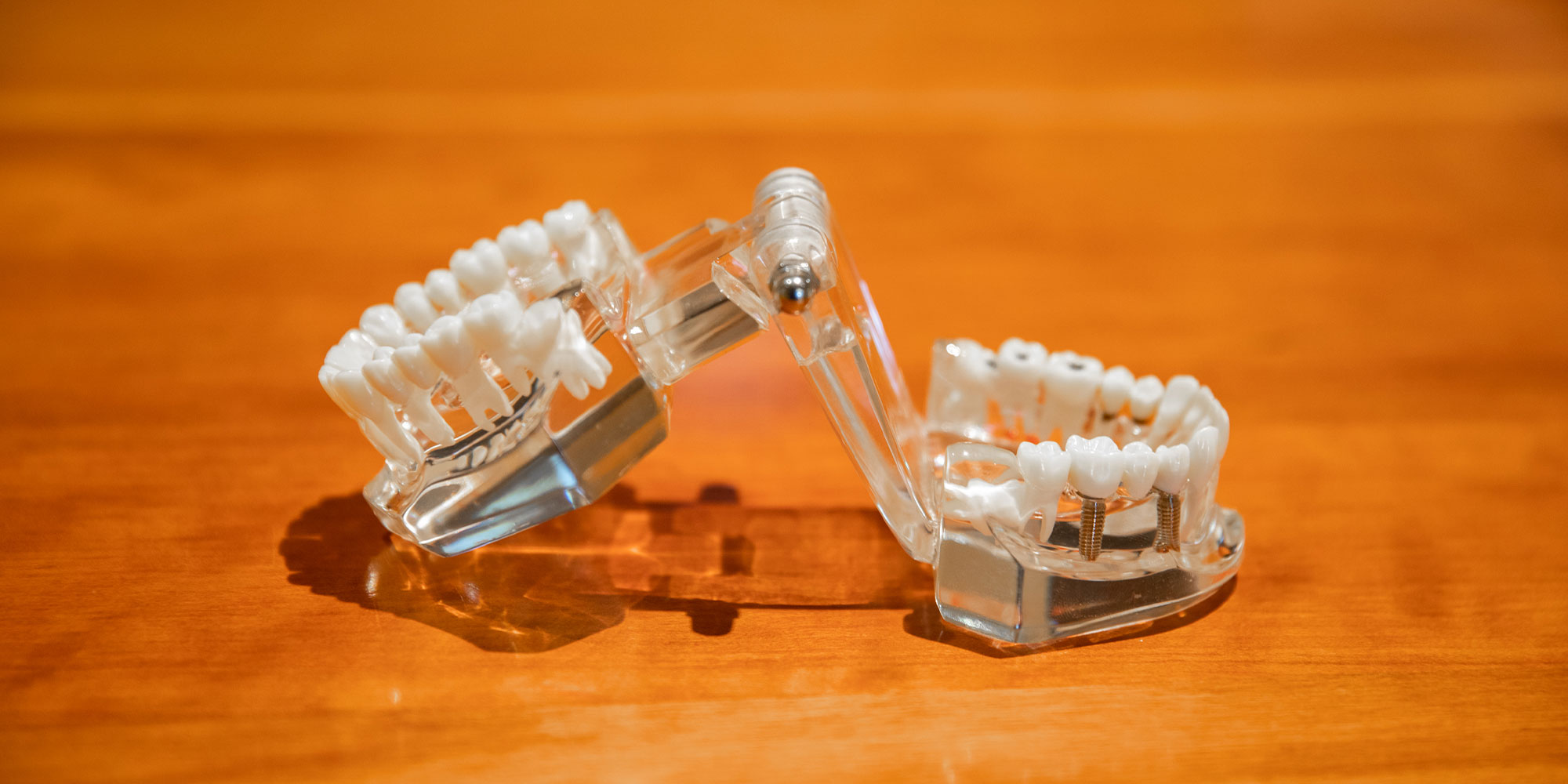
A restored full arch04

Zirconia arches

Three to four months later, once the implants have fused, the final zirconia arches are fitted, shaped and bite-balanced by the specialist who planned them.
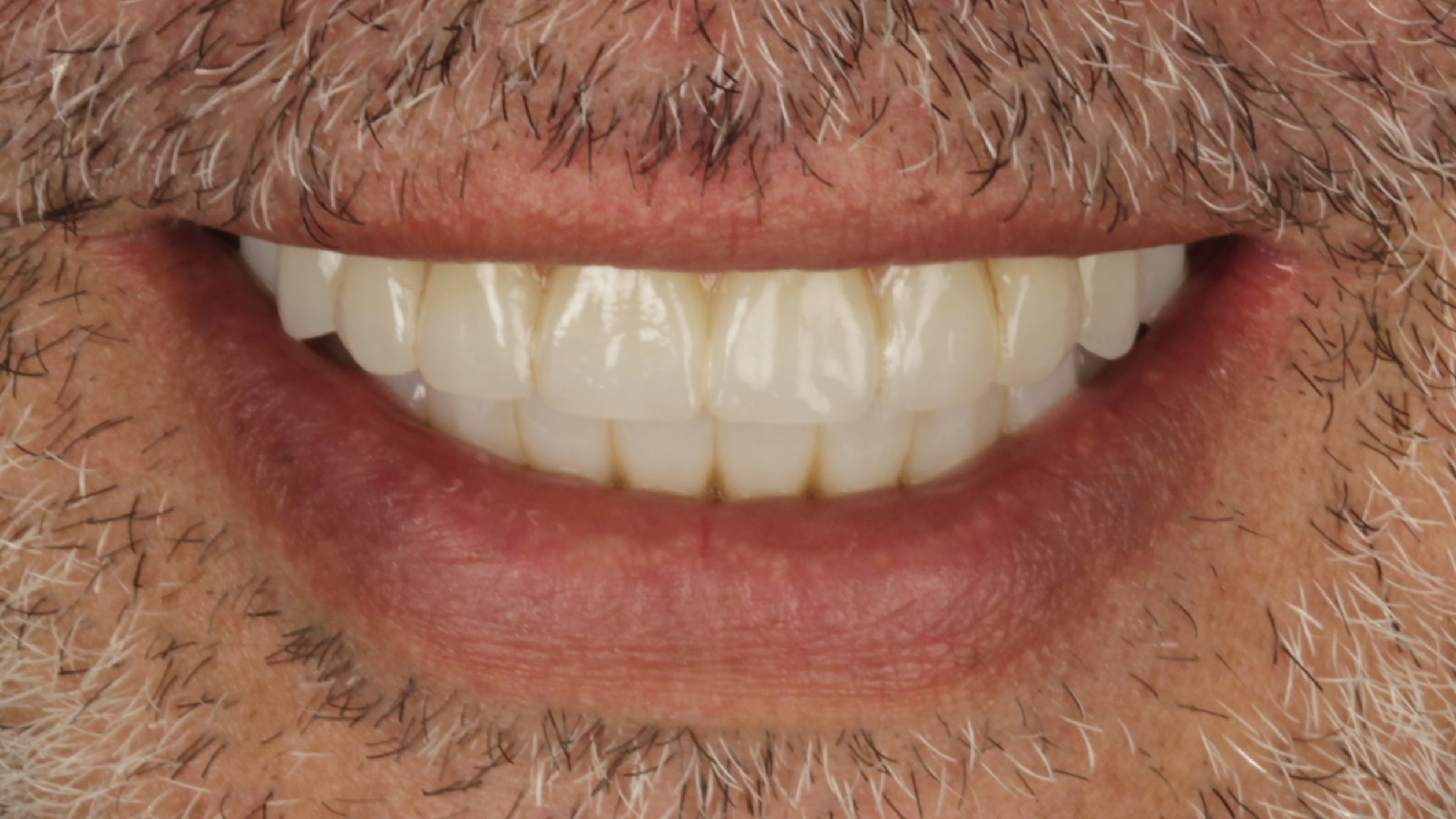
Before & After

Double-Arch Implant Photos

Case 21, double-arch All-on-4: smile before treatment by prosthodontist Dr. Esam Abou Nahlah, Northern VirginiaCase 21, double-arch All-on-4: smile after treatment by prosthodontist Dr. Esam Abou Nahlah, Northern VirginiaBeforeAfter
Double-arch All-on-4 · case 21
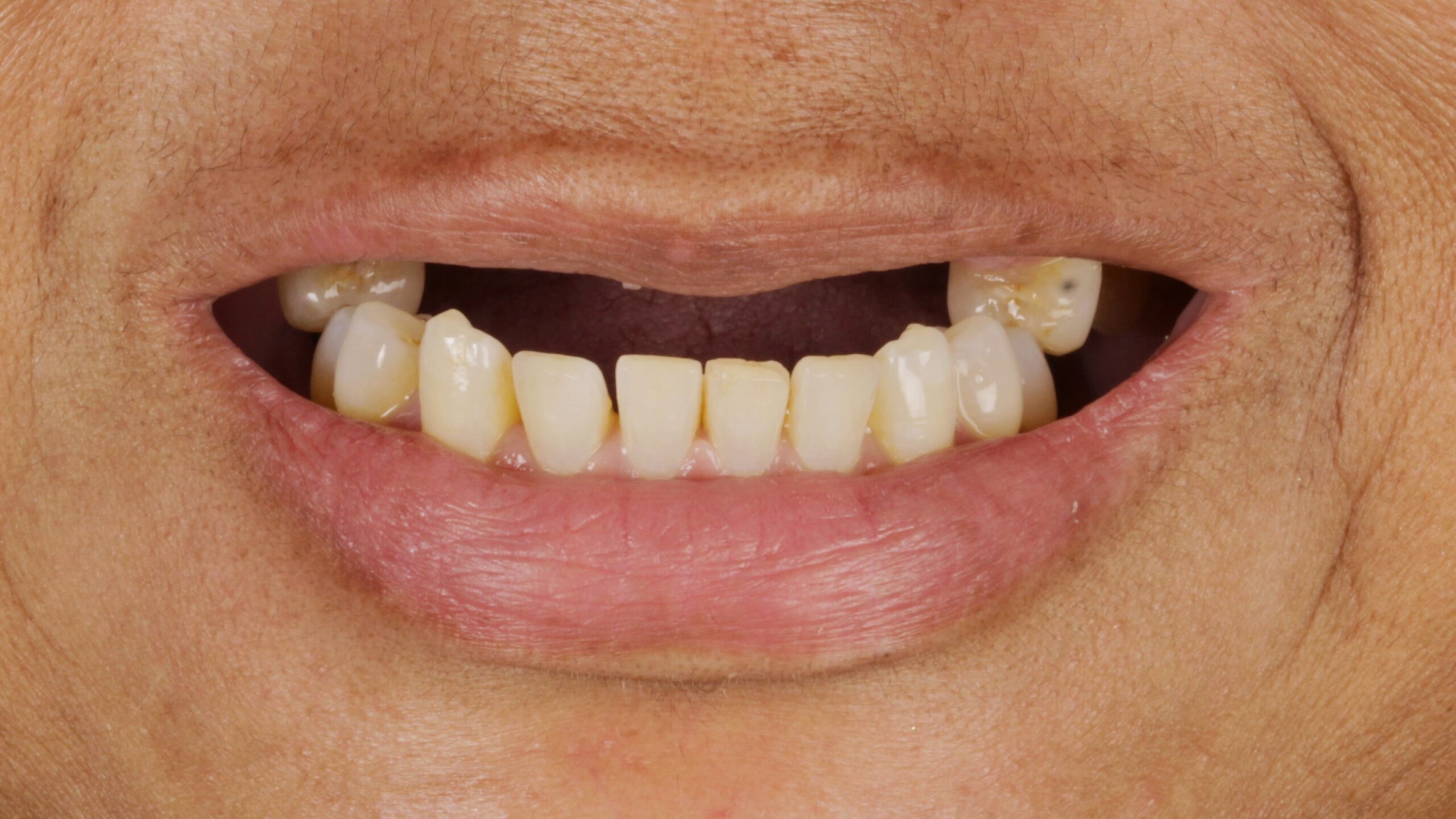
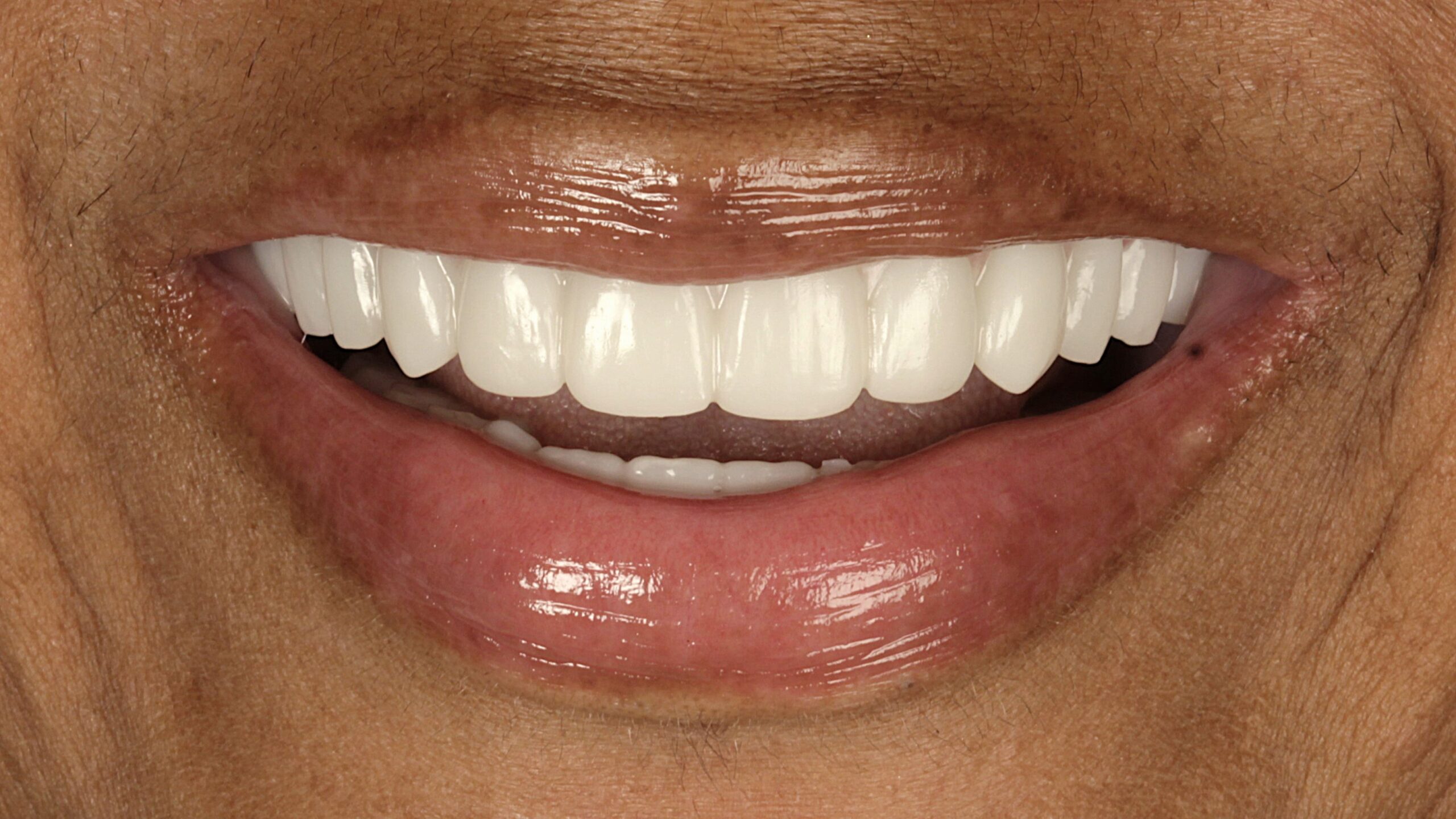
Case 22, double-arch All-on-4: smile before treatment by prosthodontist Dr. Esam Abou Nahlah, Northern VirginiaCase 22, double-arch All-on-4: smile after treatment by prosthodontist Dr. Esam Abou Nahlah, Northern VirginiaBeforeAfter
Double-arch All-on-4 · case 22

All twenty-eight cases

Notebook, pen and calculator on a wooden desk, for working out the cost of dental treatment
Cost

How Much Do Full-Mouth Implants Cost?

The number depends on how many implants each arch needs, whether extractions or grafting come first, and whether the teeth are a removable denture or fixed zirconia. It is set at your consultation, once the scan has been read; two quotes for the same mouth can differ by thousands for exactly those reasons.

Most PPO dental plans are accepted, and claims are filed for you. Financing through Proceed Finance reaches $60,000 with terms of up to 96 months, and a financial coordinator helps you apply.

Cost and financing in full

What Our Patients Say

Questions

Full-Mouth Implant Questions

Who is a candidate for full-mouth dental implants?
Adults whose teeth are mostly missing or failing, and people tired of loose dentures. Many already have enough bone; many of the rest qualify after bone grafting or extractions. The cone-beam scan at the consultation answers it for your mouth.
How many implants does a full mouth need?
Per arch: two or more for a removable implant denture, four for an All-on-4 fixed arch, and up to eight for a fixed bridge on more implants. The scan decides how many your bone will carry.Implant-supported dentures →
How long does full-mouth treatment take?
With All-on-4, about three to four months from surgery to the final zirconia arches, then a further two to four months for complete healing around them. Grafting, if you need it, adds several months of healing before the implants go in.
Will I have teeth while the implants heal?
Yes. With All-on-4, in most cases you leave the surgery wearing fixed provisional teeth, which stay in place while the implants fuse.All-on-4 in full →
How do I look after full-mouth implants?
A fixed arch is brushed and flossed like natural teeth and stays in at night. The five-year warranty asks one thing of you: the six-monthly cleanings.The five-year warranty →
Is sedation available for full-mouth surgery?
Yes: nitrous oxide or oral sedation, given at the office by the practice's own team. The practice does not offer IV sedation or general anesthesia.Sedation options →
Book a Consultation

Book Online, or Ask Us First

A consultation includes the 3D scan and a straight answer about what your case needs, before you commit to anything.