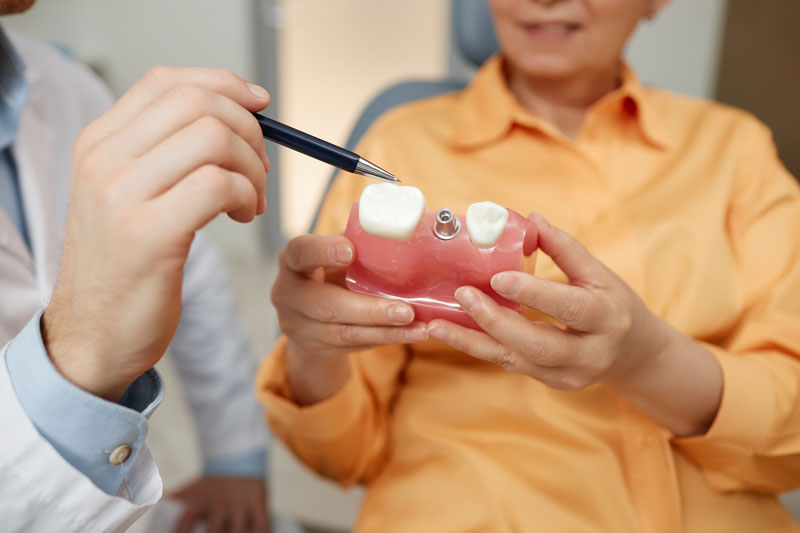
Smiling woman with gray hair holding paperwork at a dental reception desk

Failed Dental Implant Repair in McLean & Alexandria, VA

A failed implant can usually be replaced.

An examination and a cone-beam scan show what failed and how much bone is left. Where the implant has to come out, bone is rebuilt first if needed, and the new one is planned in software and placed through a printed surgical guide by board-certified prosthodontist Dr. Esam Abou Nahlah.

Can My Failed Implant Be Replaced?

Takes under a minute. Your answers stay in this browser.

Why Get It Checked

What a Specialist Assessment Gives You

Some signs of failure are easy to live with for months. An assessment by Dr. Nahlah finds what failed and why, and the replacement is planned around that cause.

FreeSecond opinion on implant surgery
GuidedThe replacement, placed from a written plan
Same daySeen for pain or failed work, where possible
“
My smile held me back. That’s behind me now.
Melanie · Full-Arch Implant Patient

A Free Second Opinion

Second opinions on implant surgery are free wherever the implant was placed, and every option for fixing it comes with its price in writing.


The Real Cause, Found

An X-ray and a cone-beam scan tell a loose screw apart from an implant that has lost its hold on the bone.

Usually Replaceable

A failed implant can usually be replaced. Where the failure took bone with it, a graft rebuilds it first.

Placed to a Written Plan

The new implant is positioned in software on your scan and placed through a printed surgical guide, at the planned angle and depth.

Failed Arches Taken On

A failed All-on-4 or full arch is scanned in both jaws, and what can be kept is decided from that scan.

Covered Once Replaced

Implant work the practice carries out has a five-year warranty, kept in force by a cleaning every six months.

Patient holding his jaw in discomfort while a clinician reviews a treatment form with him
Signs

Signs an implant is failing.

Some are obvious, and some are easy to live with for months. Any one of them is worth a call, whether the implant was placed here or somewhere else.

  • The crown, or the implant under it, moves when you bite or touch it
  • Gum around the implant that bleeds, swells or pulls back from it
  • Pain or pressure when you chew on that side
  • A bad taste, or pus at the gumline
  • A full arch that rocks, clicks or has cracked

A crown that moves can be nothing worse than a loose screw; an implant that moves has lost its hold on the bone. An X-ray and a cone-beam scan tell the two apart, which is why the first visit starts with them.

Why Implants Fail

Why Do Dental Implants Fail?

Most failures start in the plan or the upkeep, not in the surgery itself.
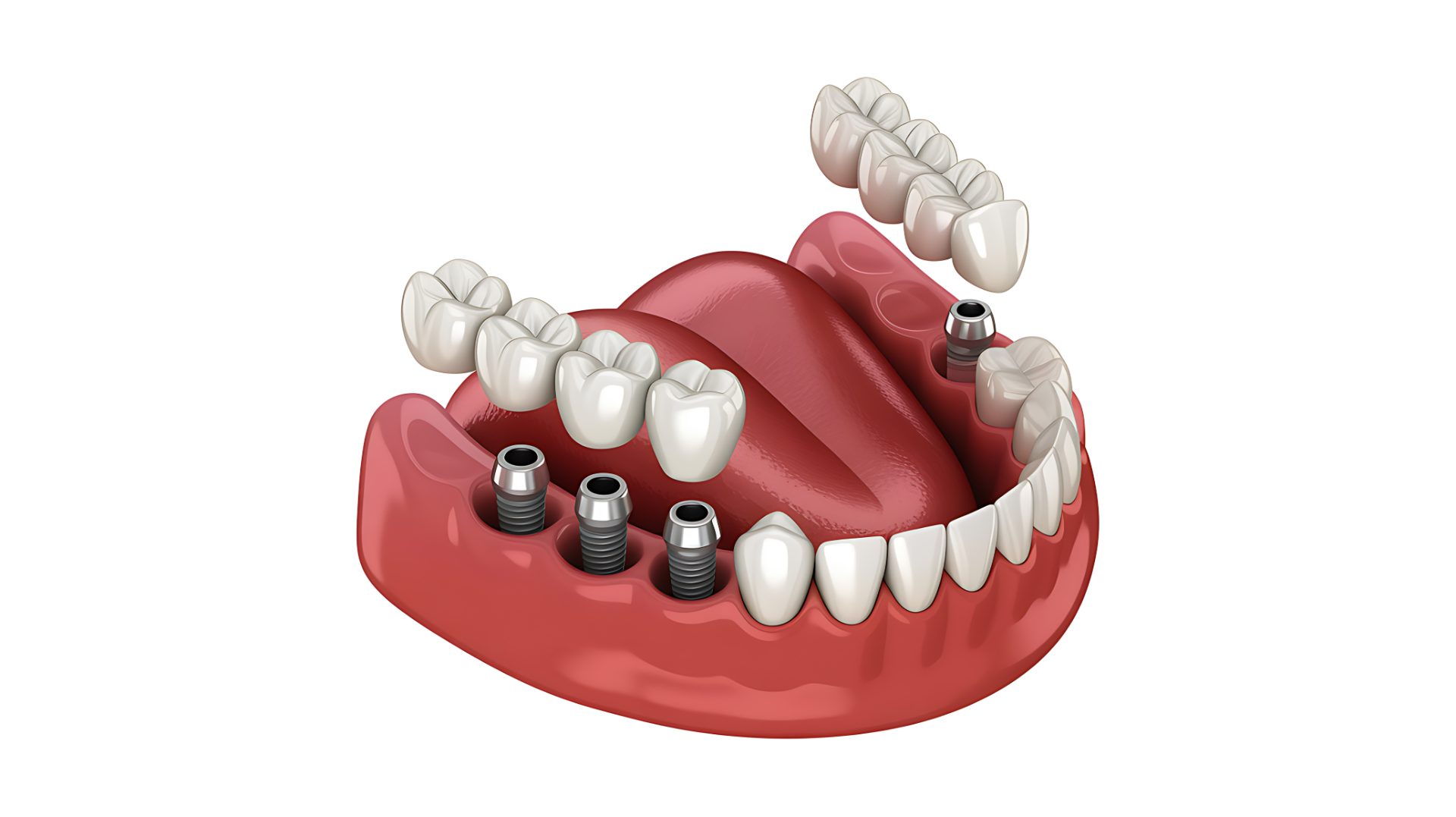
Illustration of implant-supported bridges lowered onto implant posts in a lower jaw model01

Planning

An implant has to sit at an exact angle, depth and position. Placed by eye instead of to a plan, it can end up where the bite overloads it or the bone is too thin to hold it.
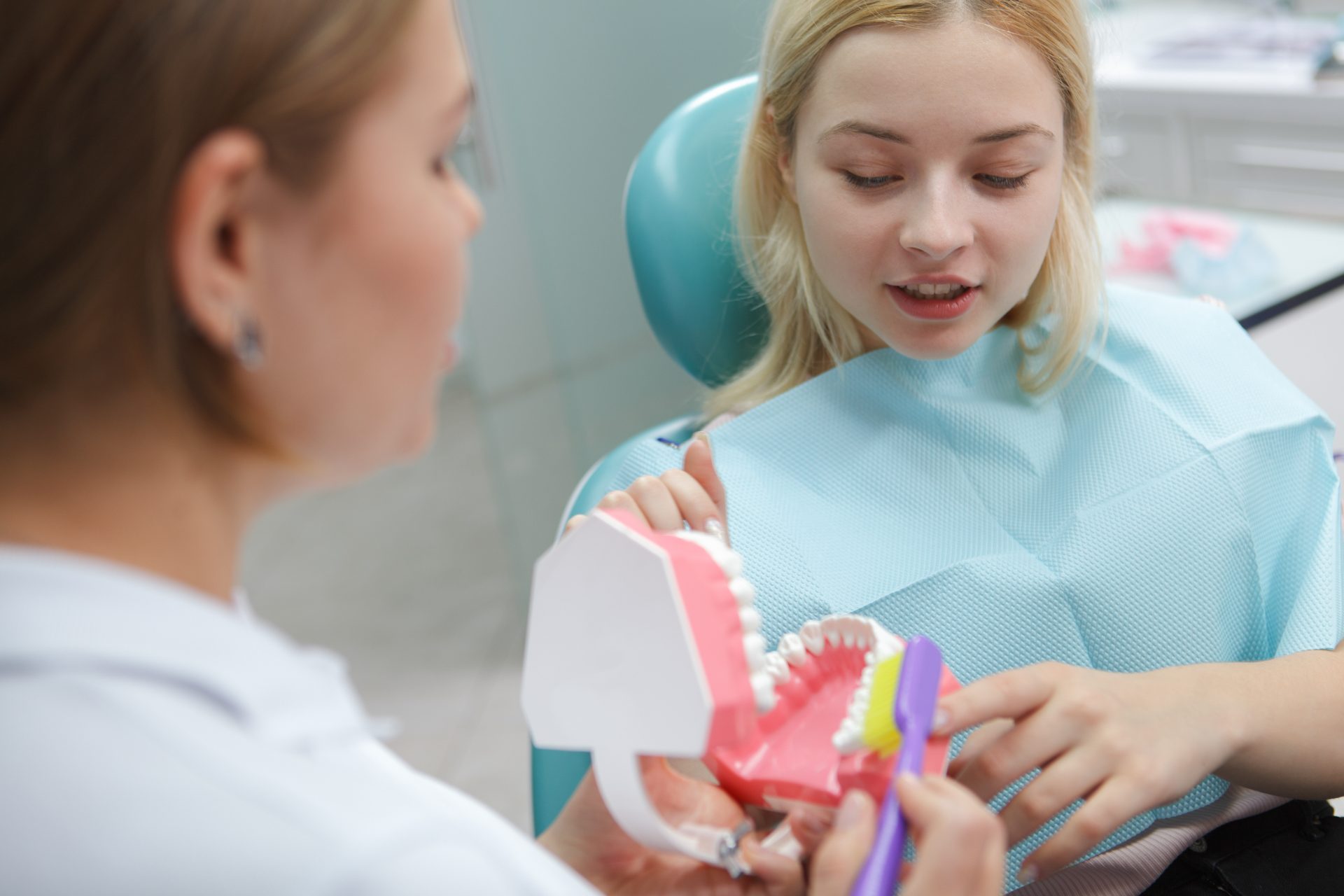
Female patient learning how to brush teeth correctly from her dentist02

Infection

Plaque inflames the gum around an implant just as it does around a tooth. Left alone, that infection, peri-implantitis, takes the bone that holds the post.

Why the cleanings matter
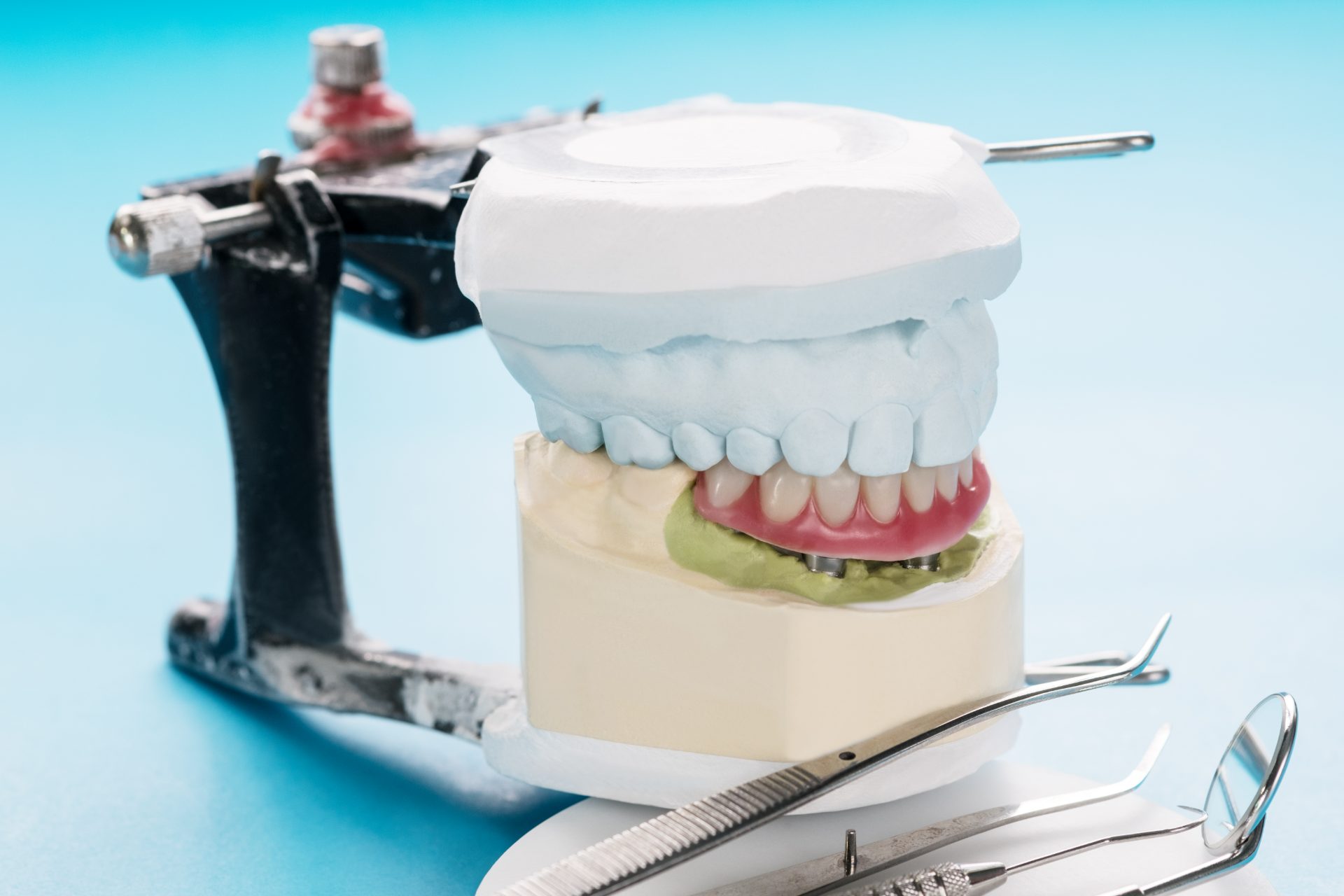
Lab model of an implant-supported denture clipped onto implant posts, mounted on an articulator03

Bite Force

An implant carries the force of every bite. A crown or arch that meets the other teeth unevenly can put more of it on one implant than the rest, which is why the final teeth are bite-balanced by the specialist who planned them.

How a whole bite is rebuilt
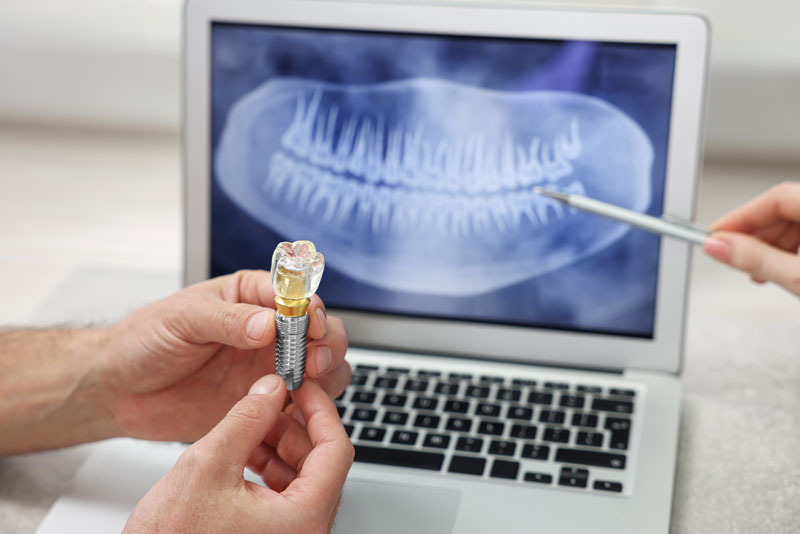
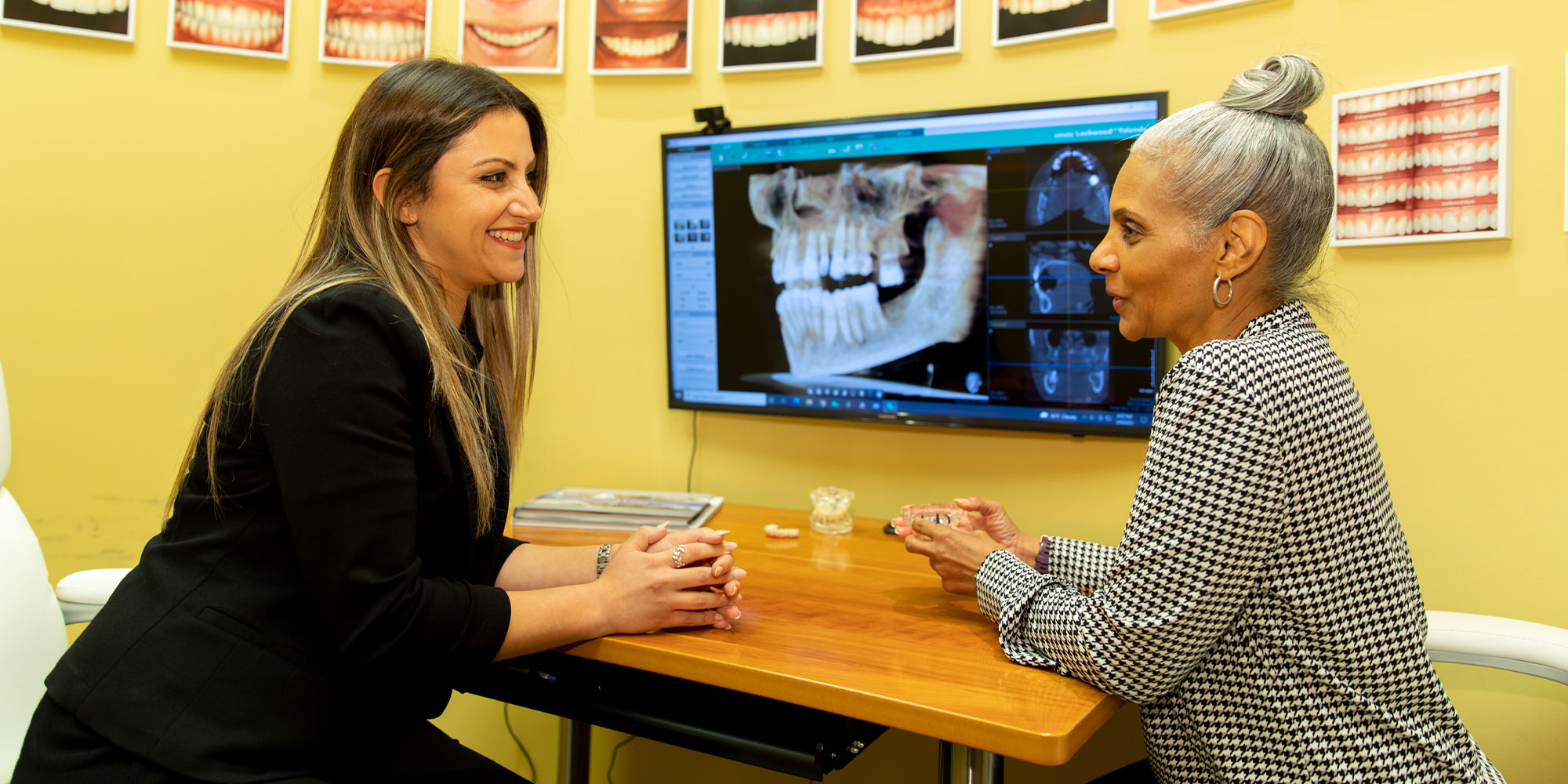
A clinician showing a patient their X-ray beside an implant model04

Bone loss

Too little bone when the implant went in, or bone lost since, leaves the post nothing to hold. Extractions, grafting or gum therapy come first for that reason.

Bone grafting
Why Choose Us

Why Choose Dr. Nahlah to Repair a Failed Implant

Most failures start in the plan or the upkeep. Dr. Nahlah plans each replacement on your scan, places it through a guide and restores it from the practice’s own lab.
What to askOur practiceOther offices
Who treats youA board-certified prosthodontist with three years of specialist training beyond dental schoolSome rely on a weekend implant course
Hands on your caseDr. Nahlah plans the replacement and the final teeth himselfA surgeon, a dentist and an outside lab each handle a part
DiagnosisAn X-ray and a cone-beam scan before any decision is madeSome decide from an examination alone
SurgeryThe replacement placed through a printed surgical guide, at the planned angle and depthSome place implants freehand and judge by eye
Hard casesComplex and failed cases accepted, including work other practices declineSome accept straightforward cases only
Second opinionFree on implant surgery, wherever the first implant was placedAsk whether a second opinion carries a fee
LabThe new crown or arch made in the practice’s own labSome send the work out and wait weeks for it
WarrantyFive years on implant work done here, kept by a cleaning every six monthsAsk what yours covers, in writing
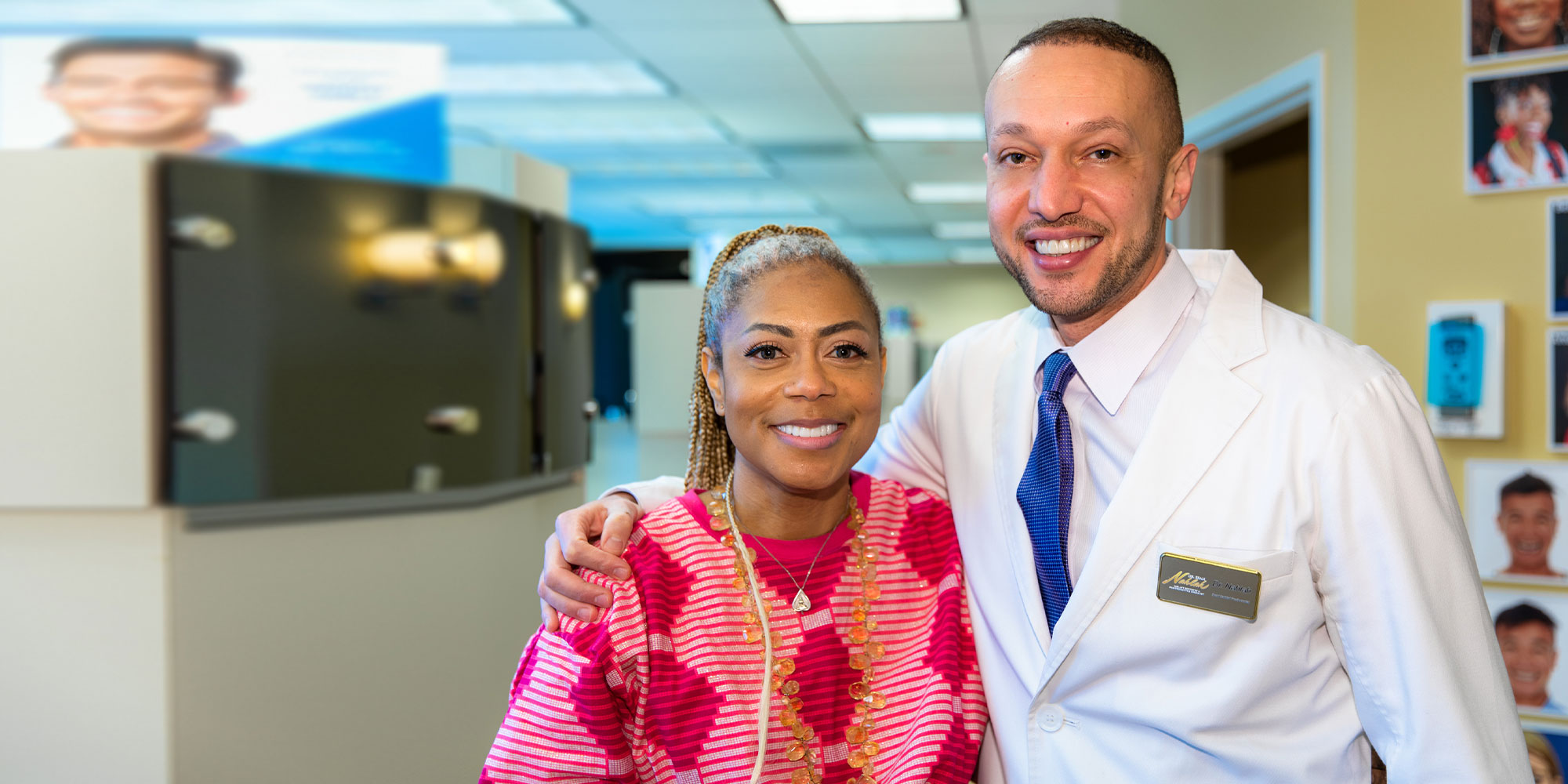
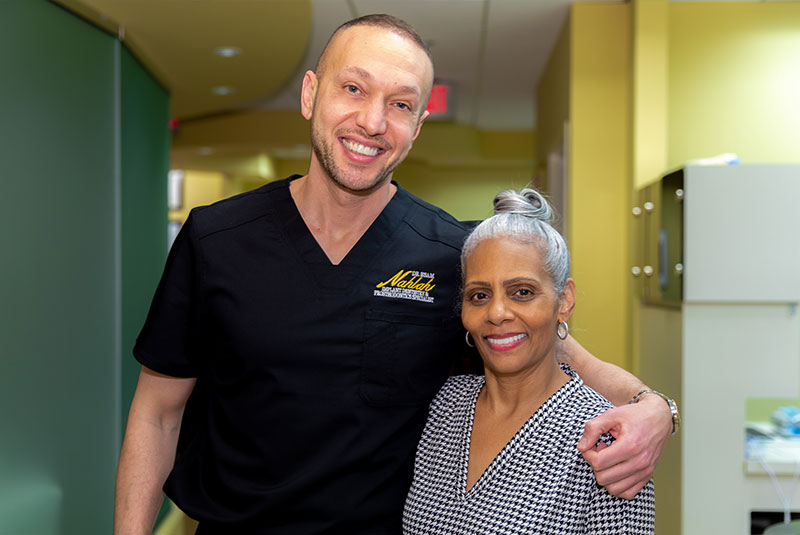
Dr. Esam Abou Nahlah in black scrubs with his arm around a smiling patient in the office hallway
Dr. Esam Abou NahlahD.D.S., M.S.
Meet the Doctor

Meet Dr. Esam Abou Nahlah

As an award-winning board-certified specialist in prosthodontic dentistry, Dr. Nahlah provides patients with a premier level of dental care using the industry’s most advanced technology. He has been practicing since 2003, in Northern Virginia since 2013, entirely on prosthodontics. Diplomate of the American Board of Prosthodontics and Fellow of the American College of Prosthodontists. In 2013, the American Board of Prosthodontics awarded Dr. Nahlah the most prestigious award in prosthodontics: “Diplomate of American Board of Prosthodontics.”

Adjunct faculty at Virginia Commonwealth University, teaching the residents in its Prosthodontics Postgraduate Program, and lecturing on smile design and implants.

Across that career, over 18,000 implants placed and over 15,000 arches restored.

Credentials & Certifications

  • Diplomate, American Board of Prosthodontics
  • Fellow, American College of Prosthodontists
  • Adjunct Faculty, VCU Prosthodontics Postgraduate Program
  • Certificate in Prosthodontics
  • M.S., Master of Science in Oral Biology
  • Fellow, International Congress of Oral Implantologists
  • Associate Fellow, American Academy of Implant Dentistry
Meet Dr. Nahlah
Replacing It

Can a failed implant be replaced? Usually, in three steps.

All three are planned on your own cone-beam scan before the first one starts, and grafting and implant placement are done in this building.
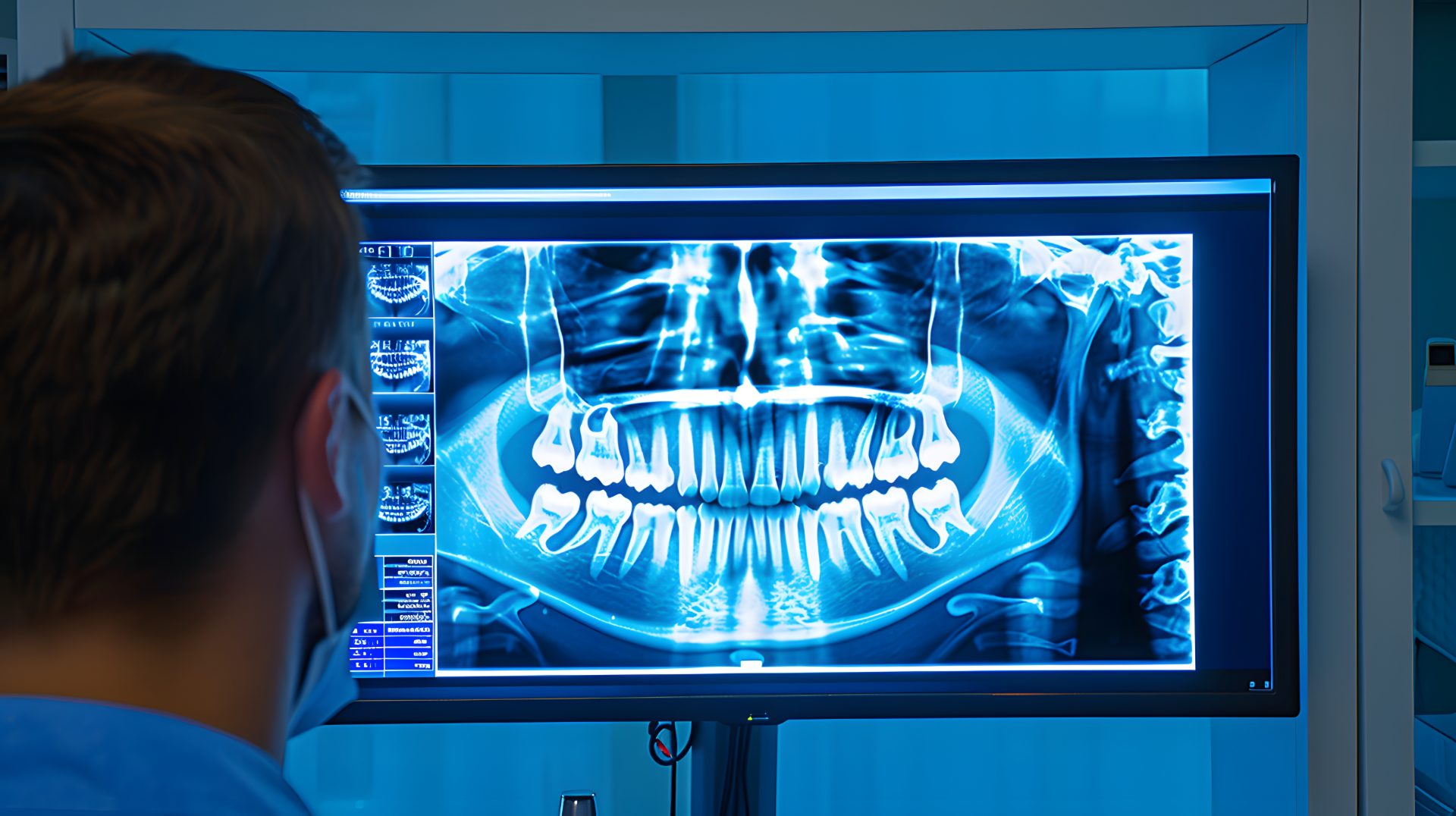
Clinician in a mask reviewing a panoramic dental X-ray of the full jaw on a monitor01 · Assessment

Examined and scanned first

An examination and a cone-beam scan show the implant, the bone around it, and whether it has to come out. If it does, removal and healing come before anything else, and you are told how at the consultation.
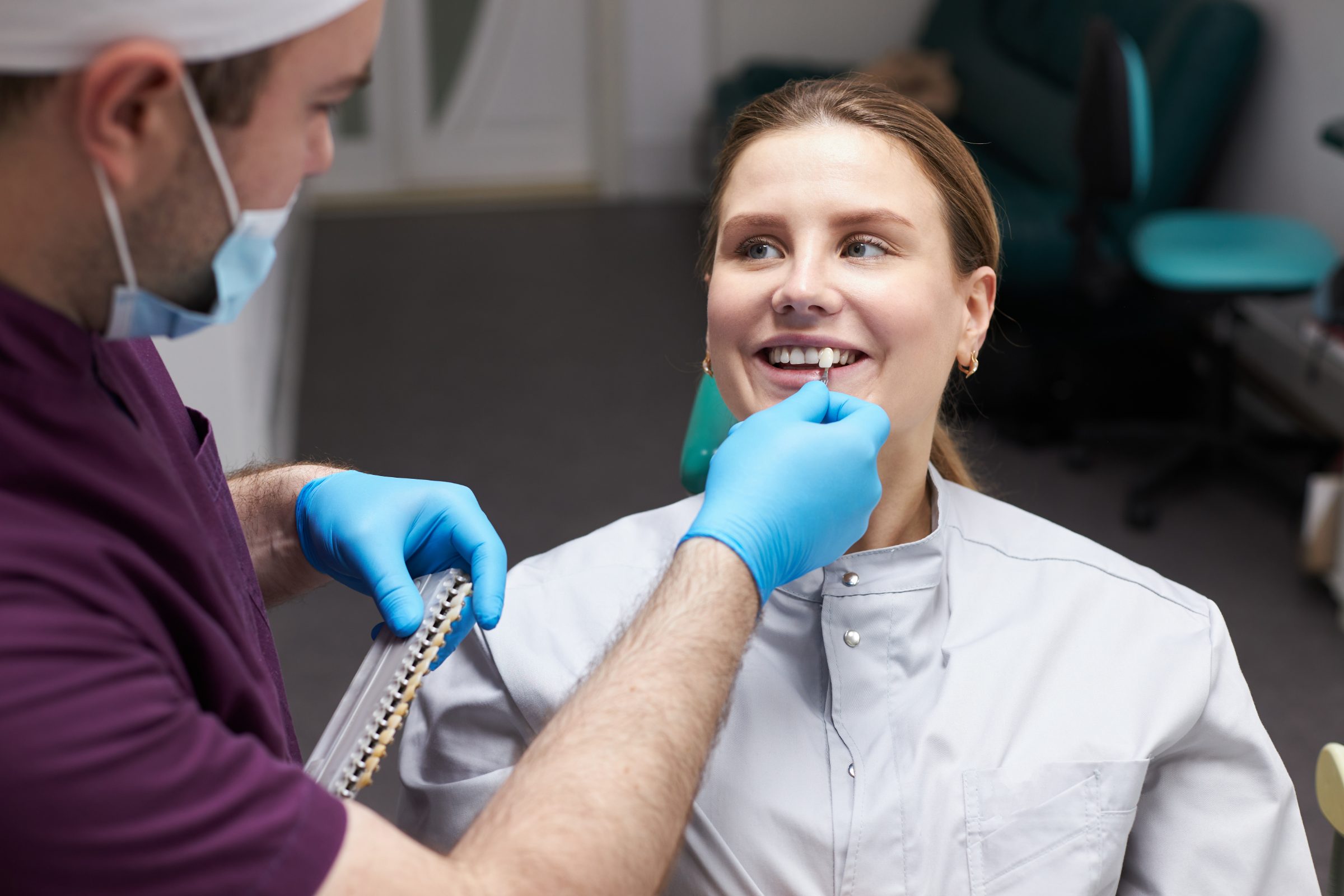
A clinician compares a shade guide with a patient's teeth02 · Grafting

Bone is rebuilt, if the scan shows it has to be

Where the failure took bone with it, a graft rebuilds it first. Grafting is its own procedure, with several months of healing before anything goes back in.
Two clinicians placing an implant, the planning scan on the monitor beside them03 · Placement

A new implant, placed from a written plan

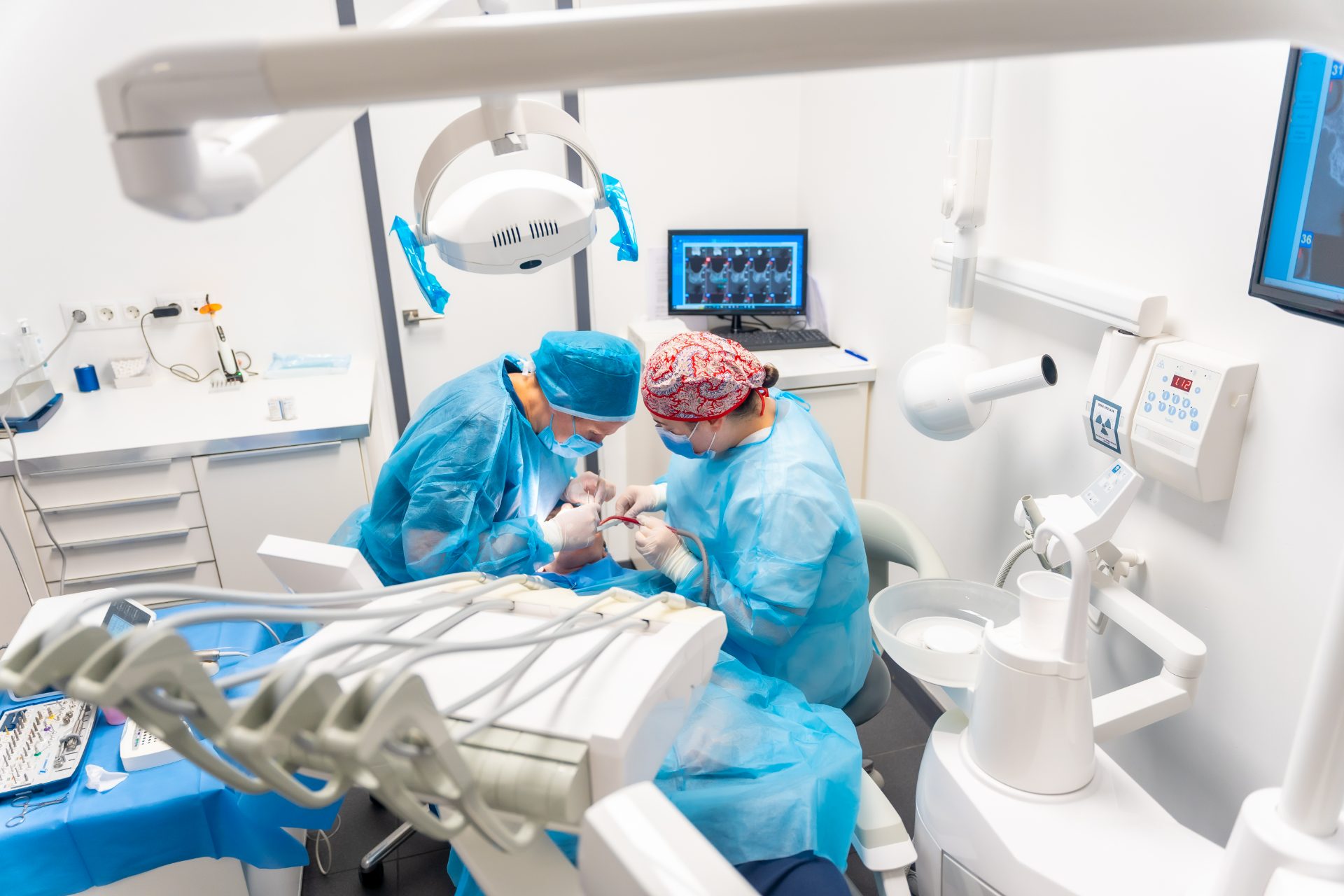
The replacement is positioned in software on the cone-beam scan and placed through a printed surgical guide, then restored with a crown or arch from the practice's own lab.

How implants work
Full Arches

Failed All-on-4 and full-arch cases.

When an arch fails, the scan of both jaws shows what gave way: a post, the bone around it, or the bridge itself. Whether any of it can be kept is decided from that scan at the consultation. Where the arch has to be rebuilt, it is planned as one job on four to eight implants as the bone allows, with the new arch made in the lab in the building. Complex and failed cases are accepted here, including work other practices decline.
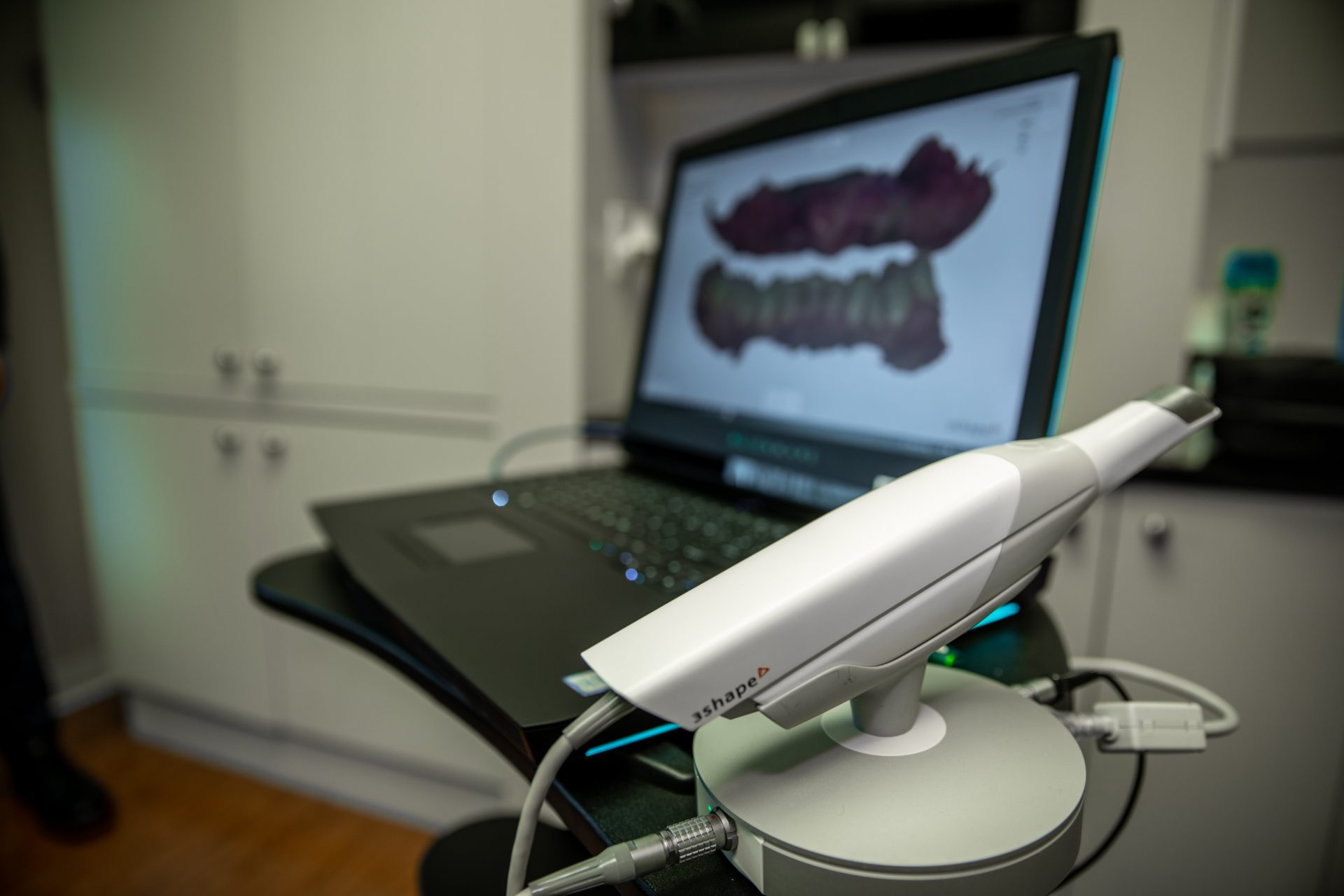
An intraoral scanner beside the digital model of a patient’s arch
Both jaws scanned
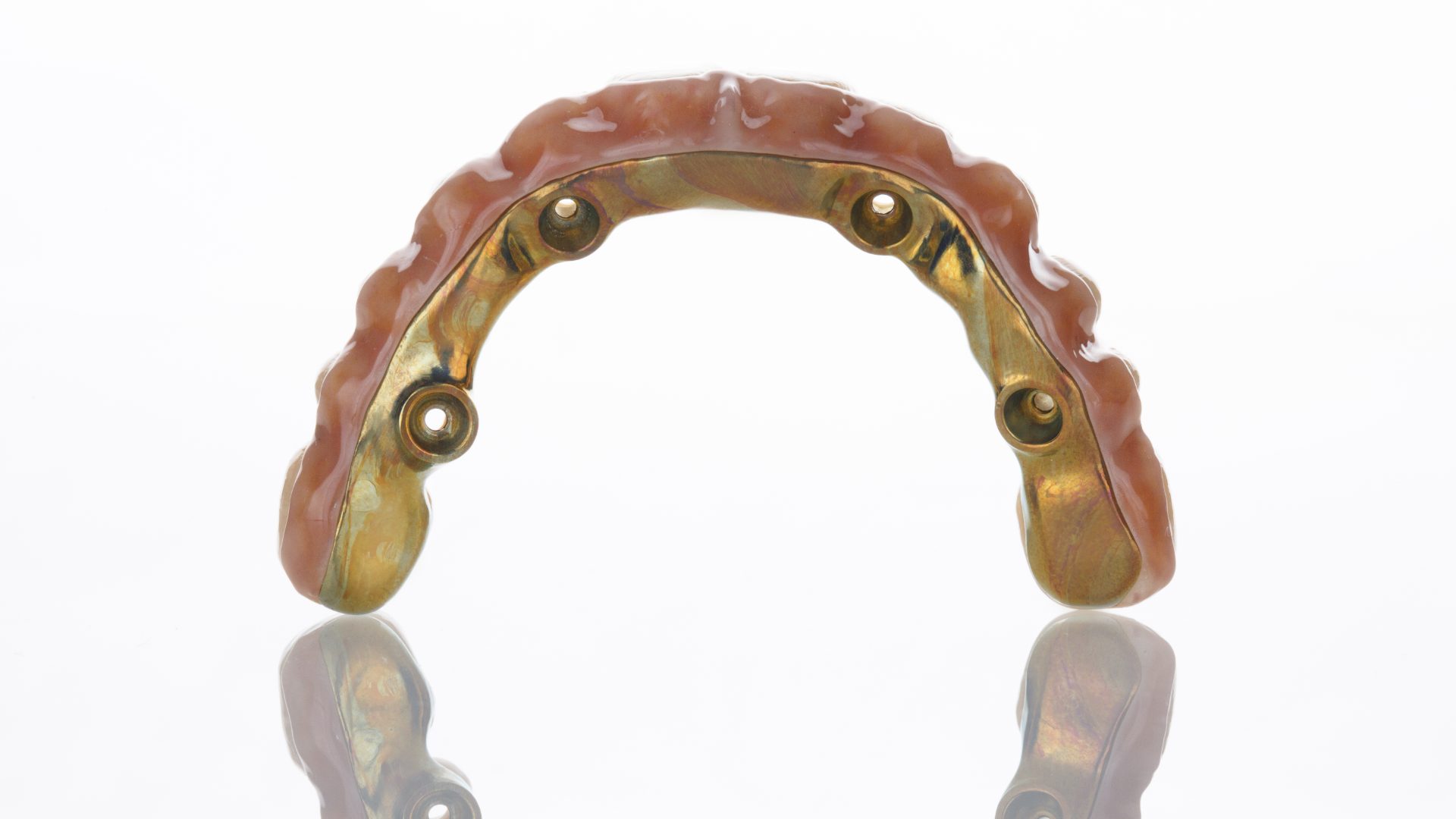
Underside of a full-arch implant bridge, showing its metal framework and four screw-access channels
Four to eight posts
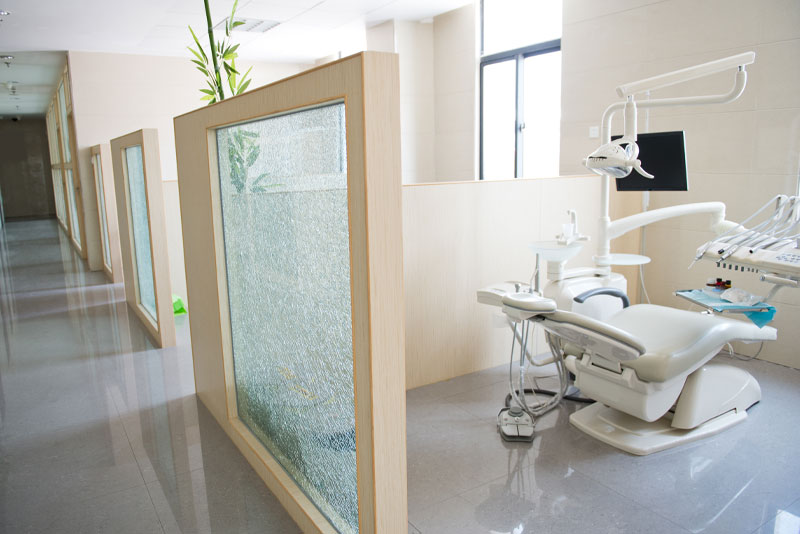
A treatment room at the practice, screened by a frosted-glass partition
A private surgical suite
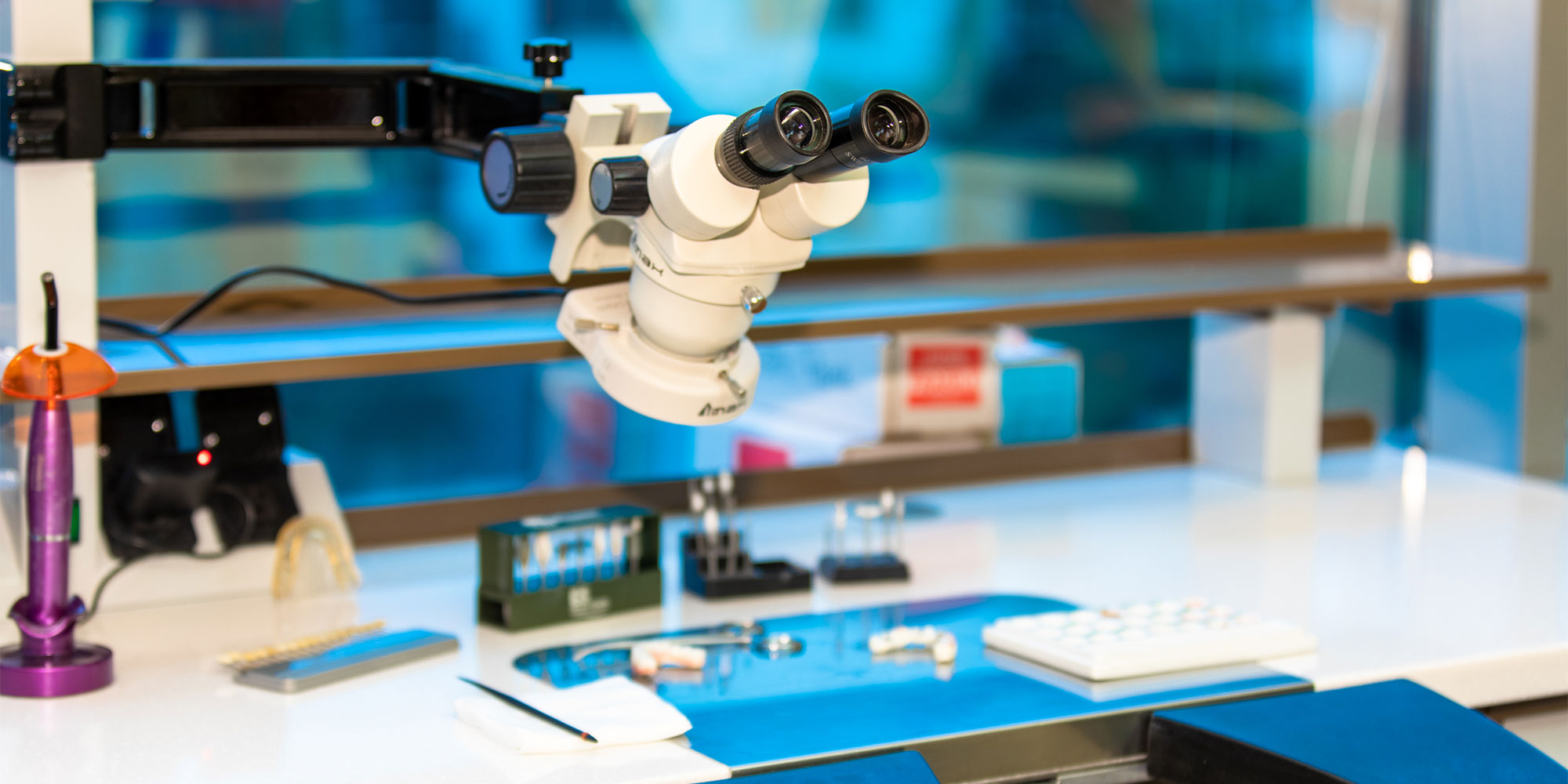
The bench and stereo microscope in the practice's in-house laboratory
Made in the building
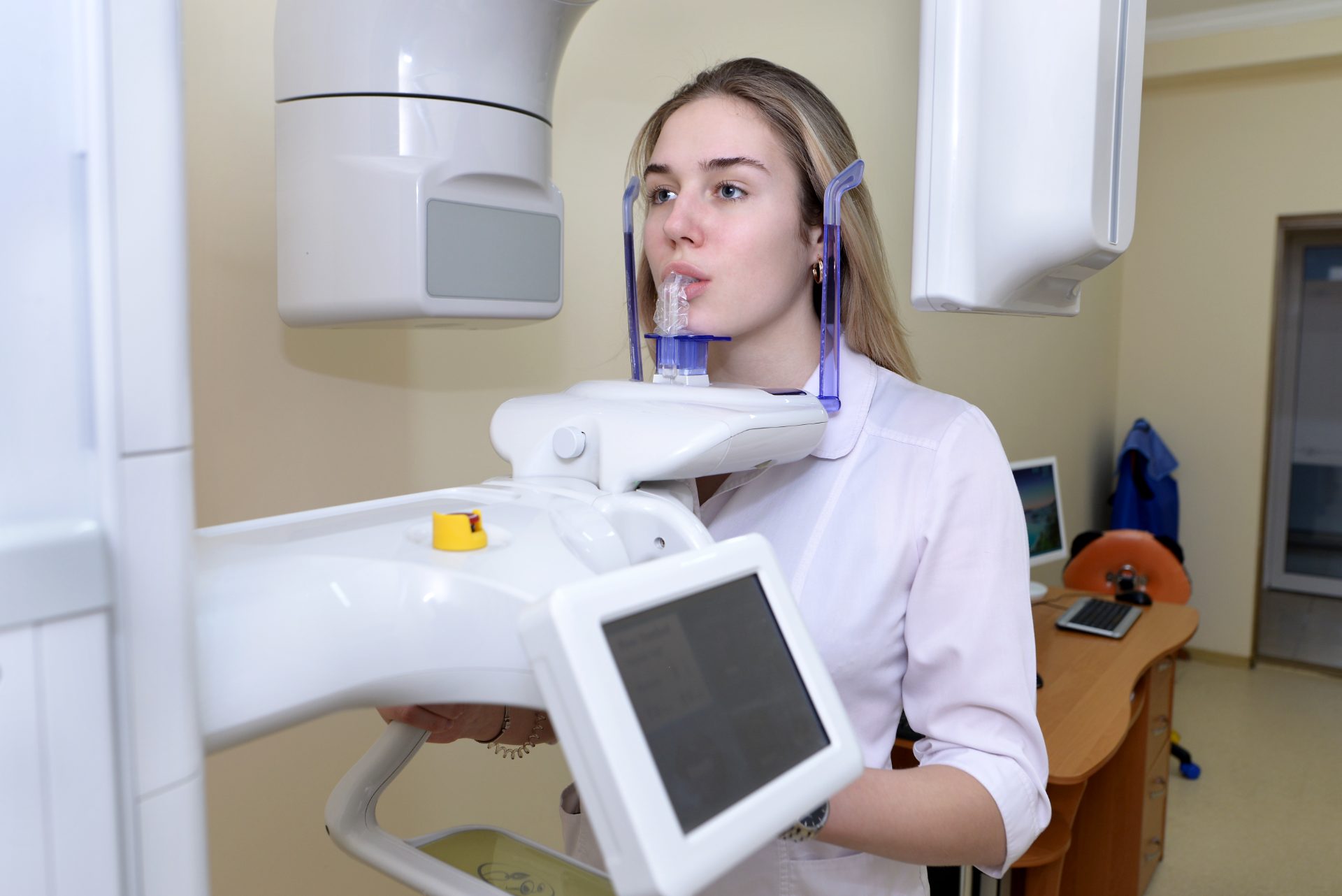
A person standing in a panoramic X-ray and cone-beam scanner, chin on the rest
Second Opinions

What Does a Free Second Opinion Include?

Second opinions on implant surgery are free, whether the original work was done here or somewhere else.

  • An examination and a cone-beam scan of the implant and the bone around it
  • A straight read on what failed and why, from the specialist who would do the repair
  • The options for replacing it, each with its price, in writing
  • Your insurance checked, and the claims filed for you

Bring any X-rays, scans or treatment notes from the practice that placed it. If it hurts, say so when you call: appointments are kept free for pain and failed work, so you are seen that day wherever possible.

Cost & Financing

Your Price in Writing, Before Anything Starts.

An examination and scan show what failed and whether removal or grafting must come before a new implant. Each repair option is priced in writing.

Up to $60,000Through Proceed Finance, over terms of up to 96 months, subject to lender approval.
Three LendersCareCredit, Proceed Finance and LendingClub.
Most PPO PlansWe file claims with your dental insurance on your behalf.
Free Second OpinionOn implant surgery. Bring the plan and any imaging.

What Our Patients Say

Questions

Failed Implant Questions

How do I know if my dental implant is failing?
Movement, gum that bleeds or swells around it, pain when you bite, or a bad taste or pus at the gumline. A crown that moves may be only a loose screw; an X-ray and a cone-beam scan tell the difference. Call either office and describe what has changed.
Why do dental implants fail?
Most failures trace back to planning or upkeep: an implant placed off the angle the bone and bite needed, a gum infection around it (peri-implantitis), uneven bite load, or bone that was too thin or has receded. Smoking, diabetes and some medicines affect how bone heals, so the plan takes them into account.
Can a failed dental implant be replaced?
Often, yes. An examination and a cone-beam scan come first, to see the implant and the bone around it. If it has to come out, bone grafting may be needed before a new implant is placed. Most failures trace back to planning or upkeep, so the replacement is planned digitally and placed through a surgical guide. Second opinions on implant surgery are free.Book a second opinion →
Is a second opinion really free?
Yes, on implant surgery, whether the original work was done here or elsewhere. Bring the treatment plan and any X-rays or scans you have, and you will get a straight read on what failed and what fixing it involves.
Does the warranty cover a failed implant?
For implant work this practice carries out, yes: a part that fails within five years is remade and refitted at no cost, as long as the six-monthly Precare cleanings are kept. It does not extend to work placed elsewhere, but the second opinion on that work is still free.The warranty terms →
Can you fix an All-on-4 that another practice placed?
Often. Complex and failed cases are accepted here, including work other practices decline. A cone-beam scan of both jaws shows whether the posts, the bone or the bridge failed, and the rebuild is planned from that, on four to eight implants as the bone allows.All-on-4 →
How long does replacing a failed implant take?
It depends on the bone. Where a graft is needed, it heals for several months before the new implant goes in, and the implant then fuses for three or more months before its final crown or arch. Your timeline is written out at the first consultation.
What should I do if my implant hurts right now?
Call the office and say it hurts. Appointments are kept free each day for pain, breakage and failed work, so you are seen the same day wherever possible: (571) 702-9832 in McLean, (571) 712-8958 in Alexandria.Emergency care →
Book a Consultation

Book Online, or Ask Us First

A consultation includes the 3D scan and a straight answer about what your case needs, before you commit to anything.